
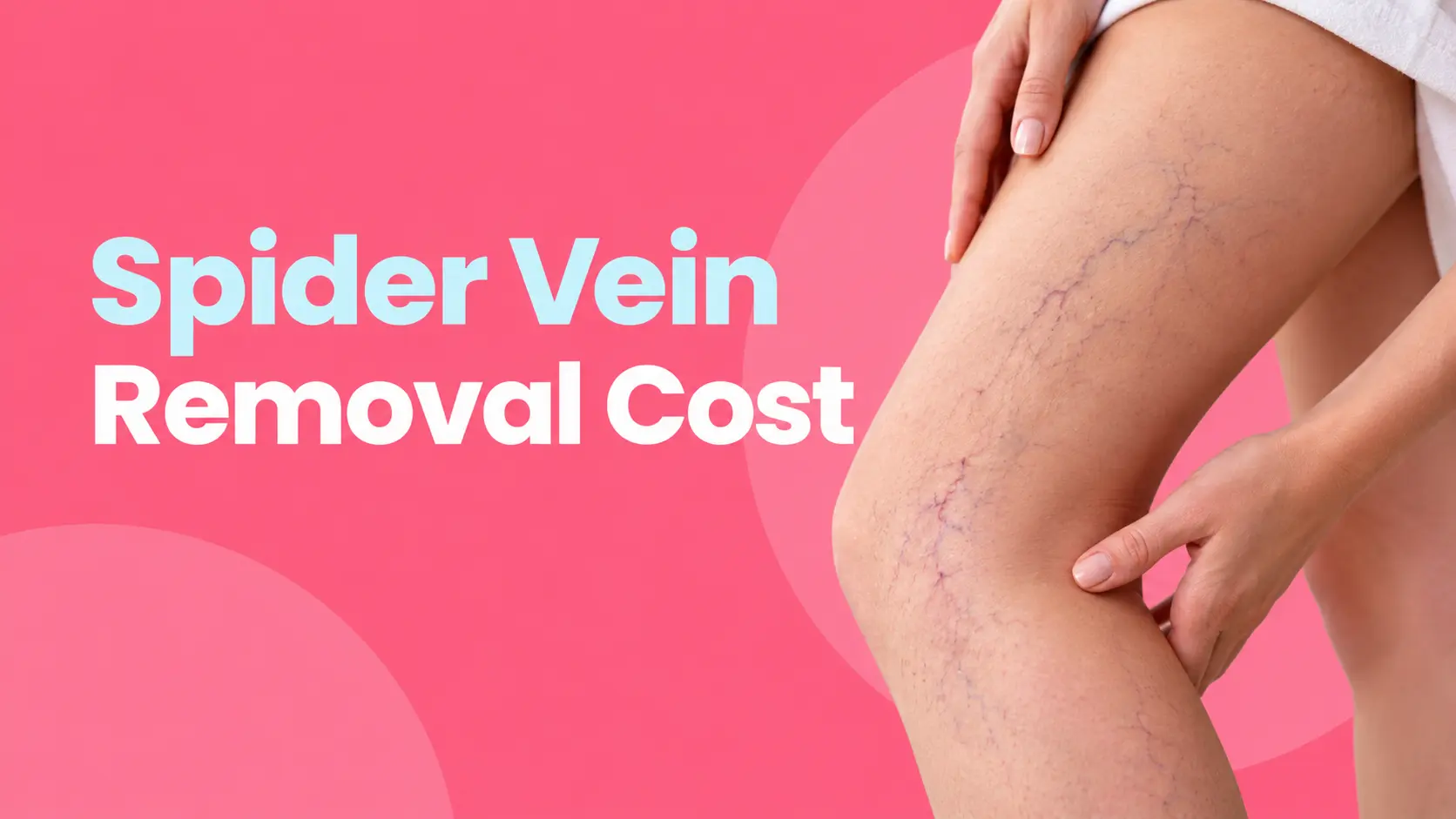
Spider vein removal is usually priced by treatment session rather than by one fixed total. As a broad planning range, sclerotherapy for spider veins may fall around $300 to $800 per session. Your actual cost at Elite Vein Clinic depends on the number of visible veins, the size and location of the treatment area, the formulation used, and how many sessions are needed.
For many patients, the most useful question is not simply “What is the average cost?” but “What will my complete treatment plan cost?” A personalized estimate can only be made after a vein specialist determines how many veins need treatment, which method is appropriate, and whether more than one treatment session may be needed.
If you are researching spider veins because they are becoming more visible or are appearing alongside other leg concerns, the first step is understanding whether the issue is limited to small surface veins or is part of a broader vein pattern.
What Is the Average Cost of Spider Vein Treatment?
For planning purposes, spider-vein sclerotherapy often falls in the few-hundred-dollar range, with a broad planning range of about $300 to $800 per session. That range is not an Elite Vein Clinic quote. A small treatment area may require less care, while widespread veins across both legs or multiple treatment sessions can increase the total.
That distinction matters because spider vein treatment cost is often discussed on a per-session or per-treatment basis, while your overall cost depends on the complete plan. A patient with a small, concentrated group of visible spider veins may need a different amount of treatment than someone with veins spread across both legs.
At Elite Vein Clinic, an exact estimate is provided after the treatment areas and goals have been evaluated. If sclerotherapy is appropriate, the estimate can take into account the number of veins, treatment area, liquid or foam formulation, ultrasound use when clinically appropriate, and the anticipated number of sessions.
What Factors Affect Spider Vein Removal Cost?
Several practical factors influence the cost of the procedure. Understanding them is more useful than assuming every patient will pay the same average cost.
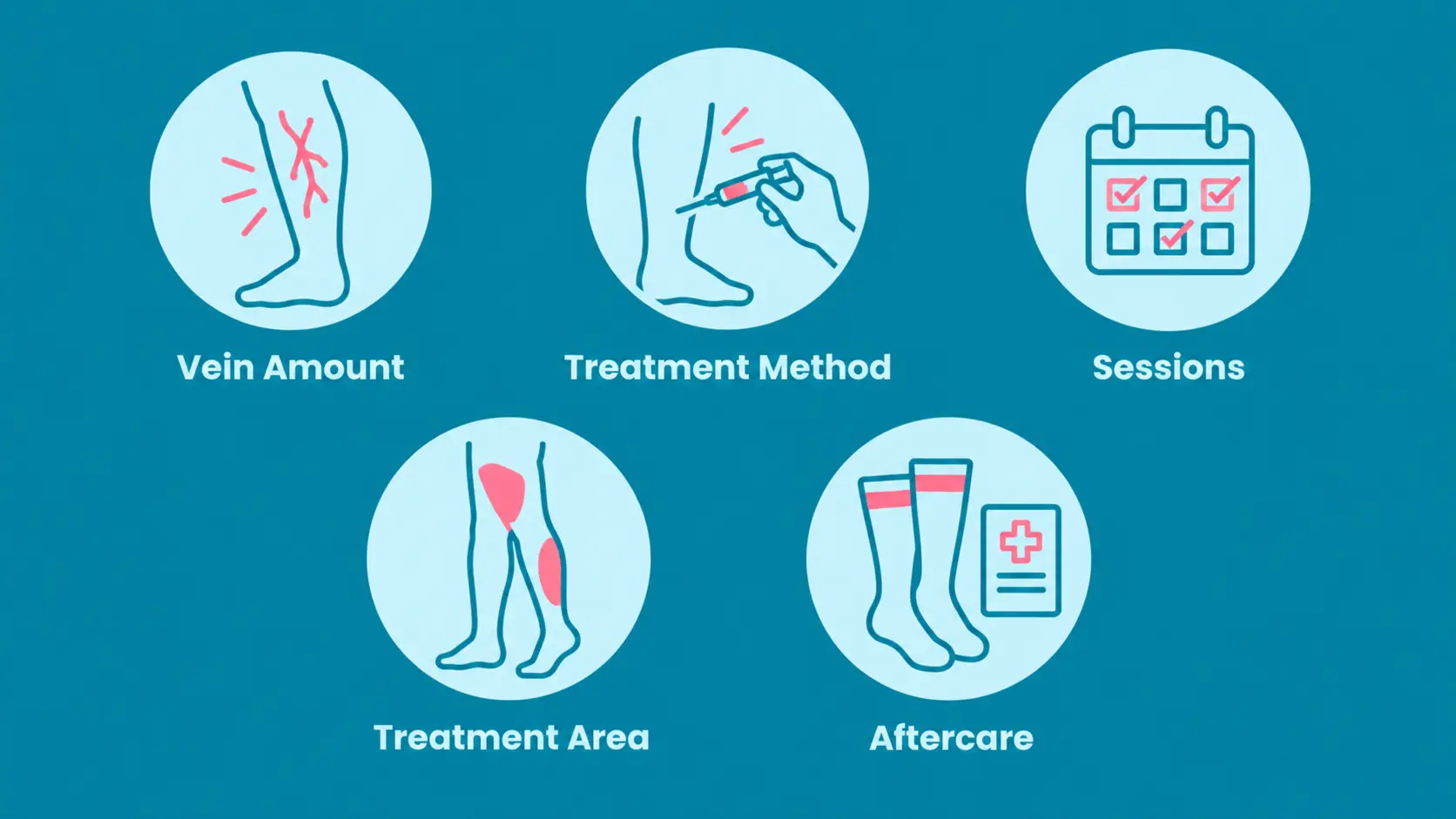
1. Number and Extent of Visible Spider Veins
The number of veins being treated is one of the biggest cost factors. Treating a small cluster in one area is different from treating visible spider veins across the thighs, calves, ankles, or both legs. More affected veins can require more injections, more treatment time, or an additional session.
2. Treatment Method
The treatment method also affects the final cost. Sclerotherapy is a minimally invasive vein treatment in which a sclerosant is injected into the target vein. The medication acts on the vein walls so the treated vessel closes and gradually fades. Some practices may use laser treatment or laser therapy for certain superficial veins, but the right treatment depends on the vein pattern and the clinician’s evaluation.
3. Number of Treatment Sessions
Spider vein removal is not always completed in a single treatment session. The number of sessions depends on how many veins are present, how they respond, and the treatment goals. Because published pricing is often presented per session, needing additional sessions can change the overall cost significantly.
4. Size and Location of the Treatment Area
A larger treatment area or a more complex distribution of veins can require more time and a different treatment plan. The location of the visible veins can also influence whether ultrasound or another evaluation is appropriate before treatment.
5. Post-Treatment Needs
Your care plan may include walking instructions, skin-care guidance, follow-up, or compression stockings. Ask the clinic what is included in the estimate and whether any post-treatment items are separate. Published national averages may not include every related expense that could apply in a particular setting.
Sclerotherapy vs. Laser Treatment: How Can Cost Differ?
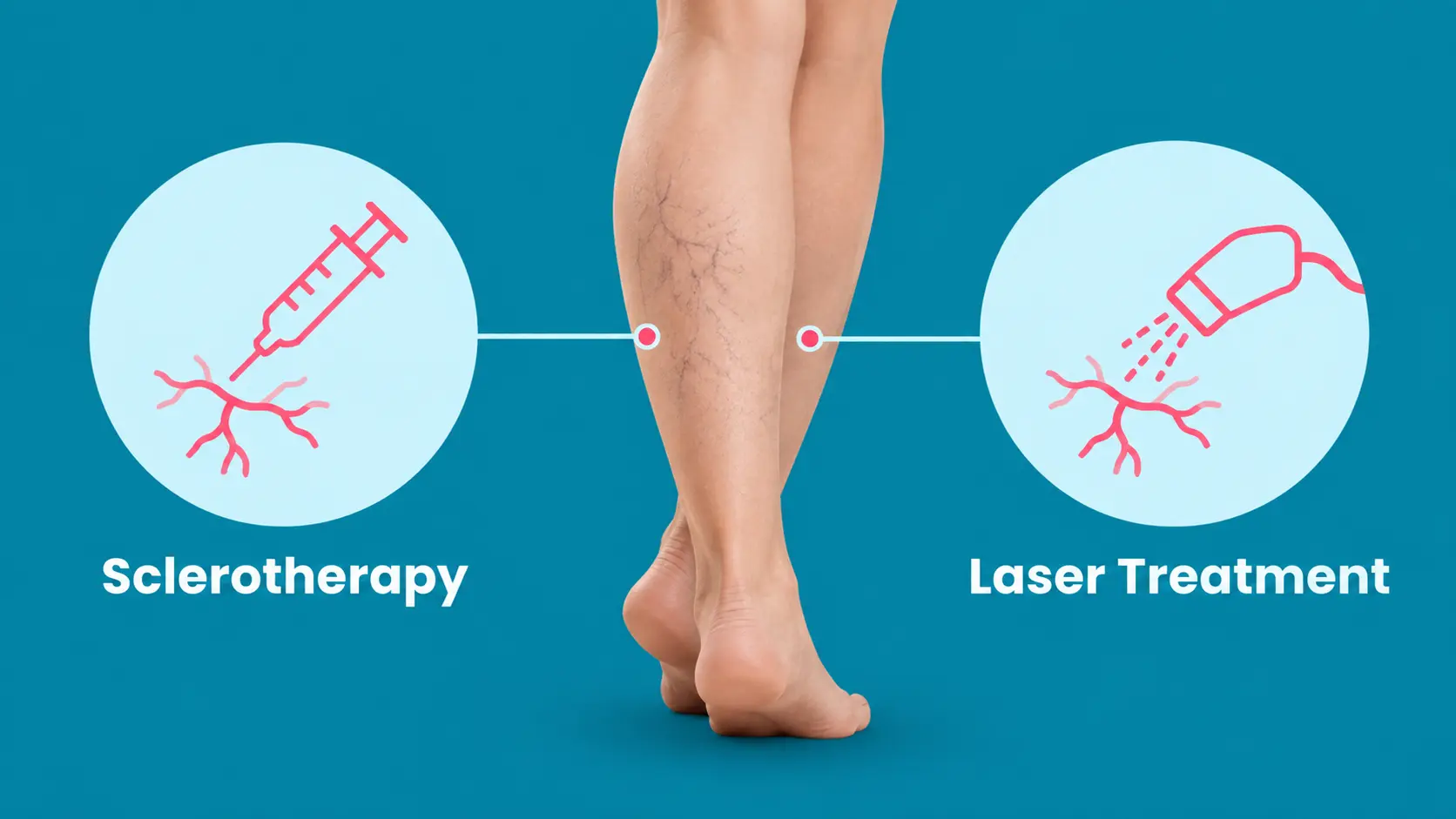
Sclerotherapy and laser treatment are two approaches commonly discussed for spider veins, but they are not interchangeable for every patient. The appropriate treatment should be based on the type, size, and location of the veins rather than price alone.
For eligible spider veins at Elite Vein Clinic, compounded sclerotherapy is a key treatment option. A vein doctor injects a selected solution into the target veins, which causes the treated vessels to close and fade over time. The number of injections and sessions varies according to the treatment plan.
Laser treatment is also used by some practices for certain superficial spider veins. Its cost can differ based on the device, size of the area, and number of sessions. At Elite Vein Clinic, the recommendation is based on the vein findings rather than a single cost comparison alone.
How Many Spider Vein Treatment Sessions Might You Need?
The number of sessions is one of the most important parts of a cost breakdown. Elite Vein Clinic notes that many sclerotherapy patients may need one or two treatment sessions, although the actual number depends on the number and severity of the target veins and how they respond.
This is why “cost per session” and “final cost” are not the same thing. A lower per-treatment price does not necessarily mean a lower total if more sessions are required. A personalized treatment plan gives you a clearer estimate of the expected sequence before you begin.
Is Spider Vein Removal Covered by Insurance?
Cosmetic spider vein treatment is commonly self-pay and is usually not covered when the purpose is primarily appearance. Health insurance plans set their own rules, so coverage should be confirmed with your insurance provider rather than assumed.
The situation can be different when a patient also has symptomatic varicose veins or underlying venous insufficiency. If an evaluation identifies a separate medically necessary vein condition, the insurance plan may apply different coverage criteria to treatment for that condition. That does not mean cosmetic spider vein removal itself will automatically be covered.
Elite Vein Clinic can review insurance coverage and available benefits when treatment may be medically necessary. If your care is cosmetic or you are paying without insurance, the clinic can explain the estimated patient responsibility for the recommended treatment plan.
What if Spider Veins Appear With Varicose Veins or Other Vein Problems?
Spider veins can occur on their own, but some people also have varicose veins, swelling, aching, heaviness, itching, or other vein issues. When those findings are present, a vein specialist may need to determine whether an underlying refluxing vein is contributing to the overall pattern.
That matters for both treatment selection and cost. Treating a small surface vein is different from treating clinically significant venous reflux. If a deeper problem is confirmed, the treatment plan may involve a different minimally invasive vein treatment, such as radiofrequency ablation (RFA), Varithena, or another option based on the ultrasound findings. Those treatments have a different purpose from cosmetic spider vein removal.
For broader information about the cost of treating symptomatic varicose veins, see Elite Vein Clinic’s varicose vein treatment cost resource.
How Can You Get an Accurate Spider Vein Treatment Cost?
A useful estimate should be based on your actual veins rather than a national average alone. During an evaluation, the provider can review the visible veins, symptoms, treatment goals, and whether there are signs that warrant additional vein evaluation.
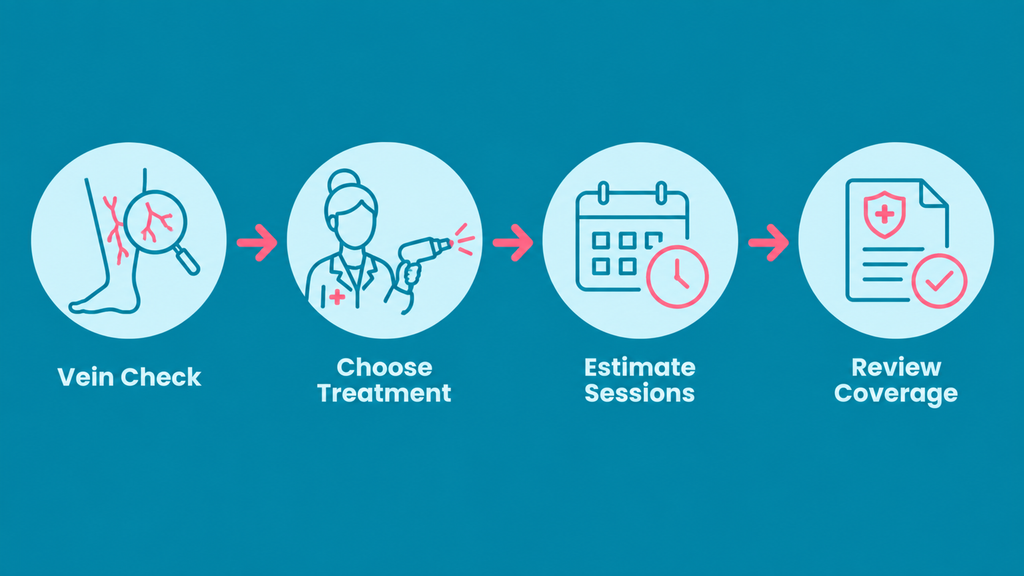
1. Review the vein pattern: The clinician evaluates the number, size, and location of the visible veins and whether varicose veins or other findings are present.
2. Choose the right treatment: The provider determines whether sclerotherapy or another approach is appropriate for the veins being treated.
3. Estimate the number of sessions: The expected treatment sequence helps convert a per-session estimate into a more useful overall cost estimate.
4. Review insurance when relevant: If symptoms or underlying disease may make part of the care medically necessary, insurance benefits and plan requirements can be reviewed.
5. Confirm your personalized estimate: Once the treatment plan is established, the clinic can explain the expected patient responsibility and next steps.
| Ready for a Personalized Spider Vein Treatment Estimate? Schedule a vein consultation with Elite Vein Clinic to review your vein pattern, treatment options, expected number of sessions, and estimated cost. Schedule a Vein Consultation |
Frequently Asked Questions About Spider Vein Removal Cost
A broad planning range for spider-vein sclerotherapy is about $300 to $800 per session. Your total may be lower or higher depending on the number of veins, treatment area, formulation, and number of sessions needed. Elite Vein Clinic provides a personalized estimate after evaluating the veins being treated.
The average cost of sclerotherapy is not the same as a clinic-specific quote. Elite Vein Clinic determines the cost of sclerotherapy treatment after reviewing the number of target veins, treatment area, formulation, ultrasound use when needed, and anticipated sessions.
Cosmetic spider vein removal is commonly self-pay. If a patient also has symptomatic varicose veins or another medically necessary venous condition, coverage may apply differently to treatment for that condition. Insurance coverage varies by plan.
Insurance may cover sclerotherapy when it is used for an eligible medically necessary vein condition and the plan’s documentation requirements are met. Sclerotherapy performed only for cosmetic spider veins is commonly not covered.
The number of sessions varies. Elite Vein Clinic notes that many patients may need one or two sclerotherapy sessions, depending on the number and severity of the veins and how they respond.
It can. The number of veins, treatment area, amount of treatment required, and number of sessions can all influence the cost. A personalized estimate is more useful than relying on one average price.