


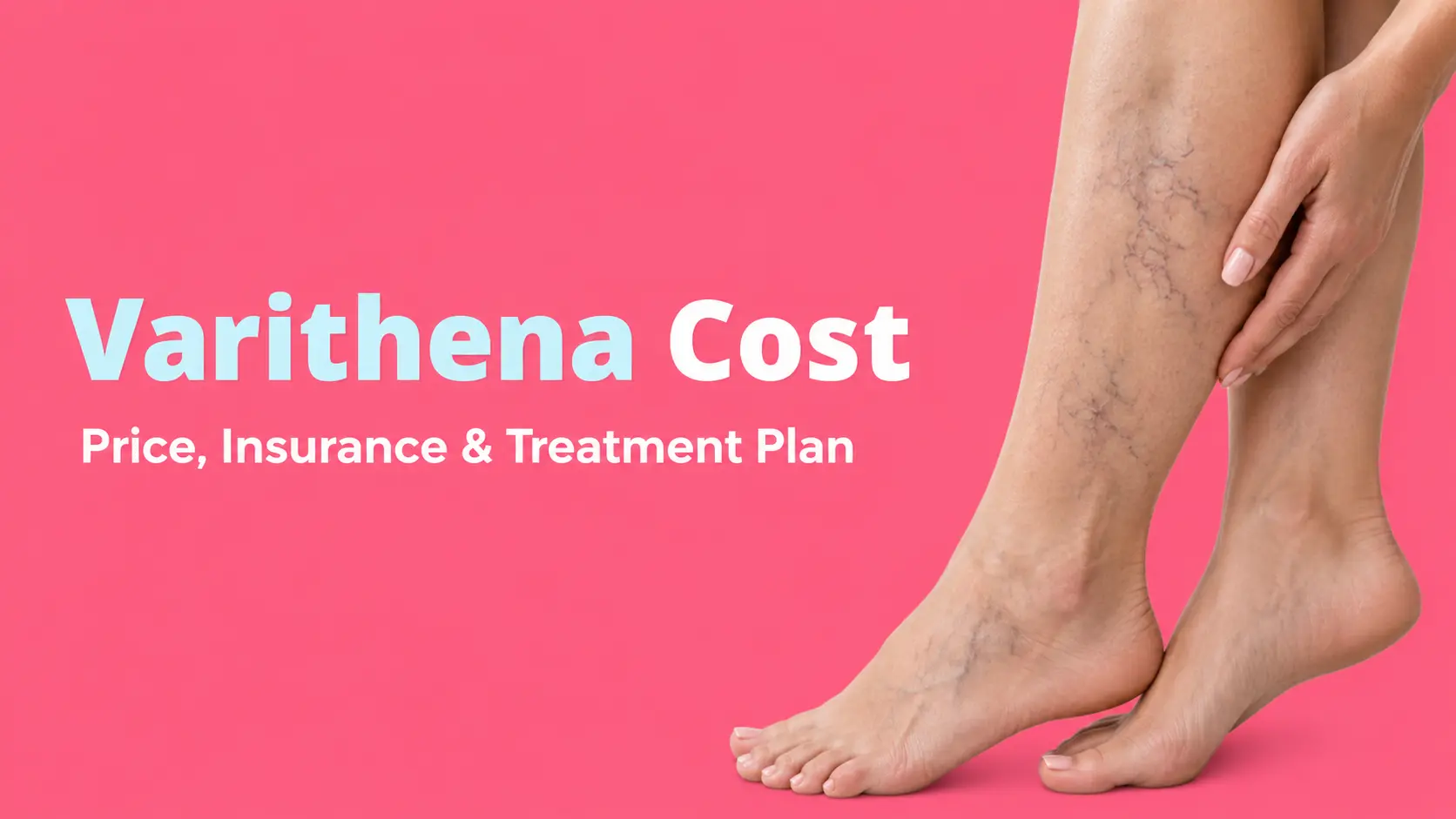
Varithena treatment often falls within a broad planning range of about $1,500 to $3,000 per treatment, but there is no single price that applies to every patient. Your actual cost at Elite Vein Clinic depends on the number and size of veins being treated, whether more than one treatment session is needed, whether one or both legs require care, and how your insurance plan processes medically necessary vein treatment.
At Elite Vein Clinic, the first step is determining whether Varithena treatment is the right option for your vein disease. A vein specialist reviews your symptoms, physical findings, and ultrasound results before recommending a treatment plan. Once the plan is established, the clinic can explain the expected cost of your treatment and review available insurance benefits.
That distinction matters because the price of the Varithena medication, a provider reimbursement amount, and the amount a patient ultimately owes are not the same thing. This guide focuses on the patient question: what can influence your final Varithena cost, and how can you get an estimate that reflects your own care?
What Is the Average Cost of Varithena Treatment?
A broad planning range of about $1,500 to $3,000 can help patients understand the general scale of Varithena treatment, but it should not be treated as an Elite Vein Clinic quote. The final amount can fall outside that range depending on the vein anatomy, number of treated veins, treatment sessions, insurance benefits, and any additional vein care that is needed.
The most useful way to think about Varithena cost is therefore not as one fixed national average, but as a treatment-specific estimate. The final cost may vary depending on whether one or multiple veins are treated, whether one or both legs require care, whether additional treatment is needed, and what portion of the service is covered by insurance.
If you are comparing the cost of Varithena with the broader cost of varicose vein treatment, keep in mind that different procedures use different medications, devices, imaging, and treatment steps. The right comparison starts with the treatment that best fits the vein anatomy and diagnosis.
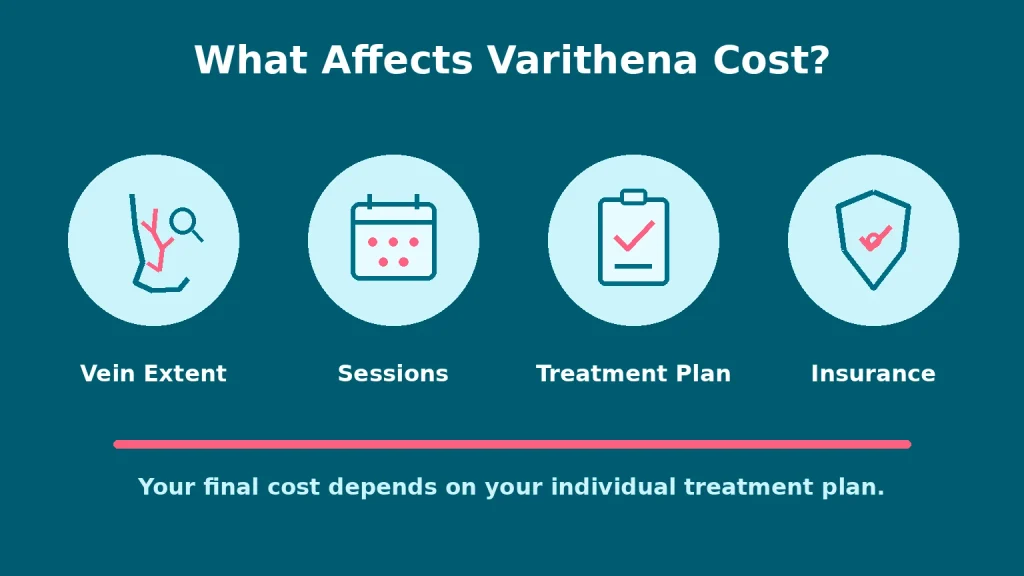
What Factors Affect the Cost of Varithena?
Several clinical and insurance factors can influence the overall vein treatment cost. These are the factors that matter most when a personalized estimate is prepared.
1. Number and Size of Veins Being Treated
The extent of the diseased vein pattern can affect how much treatment is required. Official Varithena patient information notes that additional treatment may be needed depending on the number and size of veins being treated. Treating one eligible vein is different from treating multiple incompetent saphenous veins or associated visible varicosities.
2. Number of Treatment Sessions
Many patients may need only one Varithena treatment, but some need another session. This means a published per-session estimate is not necessarily the same as your final cost. A vein doctor can estimate the likely treatment sequence only after reviewing the ultrasound findings and the veins that need care.
3. Your Vein Anatomy and Treatment Plan
Varithena is not automatically the best treatment for every varicose vein. Elite Vein Clinic may recommend Varithena, radiofrequency ablation, sclerotherapy, VenaSeal, or another approach depending on the vein anatomy, symptoms, medical history, and ultrasound findings. The treatment option selected can change the overall cost because the procedures are performed differently.
4. Insurance Coverage and Medical Necessity
Insurance can have a major effect on what you pay. Varithena may be covered when treatment is medically necessary and the requirements of the insurance plan are met. Coverage can depend on the diagnosis, symptoms, vein size, ultrasound findings, conservative-treatment requirements, network status, and authorization rules.
Even when treatment is covered by insurance, the patient may still have a deductible, copay, coinsurance, or other responsibility. Elite Vein Clinic insurance information can help you understand the clinic’s benefits-verification process. Benefits verification can clarify available plan information, but it does not guarantee payment by the insurance company.
How Much Does Varithena Cost Without Insurance?
If you are paying without insurance, a broad planning range for Varithena is about $1,500 to $3,000 per treatment. Your self-pay amount can be lower or higher depending on the number and size of veins, whether another session is needed, one-leg versus two-leg treatment, and what services are included in the treatment plan.
The exact cost may vary depending on the number and size of veins, the number of treatment sessions, whether one or both legs require treatment, and whether another procedure is needed as part of the overall vein care plan. If you are considering Varithena without insurance, ask for a written estimate that explains what is included and whether any separate services are expected.
Patients who need help planning for out-of-pocket expenses can also review financing options available through Elite Vein Clinic. Current financing terms and eligibility should be confirmed directly before treatment.
Is Varithena Covered by Insurance?
Varithena is often used to treat symptomatic varicose veins associated with venous reflux, but insurance coverage is never automatic. The insurance provider decides whether the service meets the plan’s medical-necessity and documentation requirements.
Coverage is more likely to be considered when the treatment addresses documented vein disease rather than a cosmetic concern alone. A plan may request symptoms, examination findings, duplex ultrasound results, prior conservative treatment, or authorization before approving treatment. Plan rules can differ between Original Medicare, Medicare Advantage, employer-sponsored plans, and other commercial insurance plans.
Because those rules vary, avoid relying on a generic statement that Varithena is “usually covered.” The most accurate answer is plan-specific: Varithena may be covered when it is medically necessary and the applicable requirements are met.
What Is Included in the Cost of Varithena Treatment?
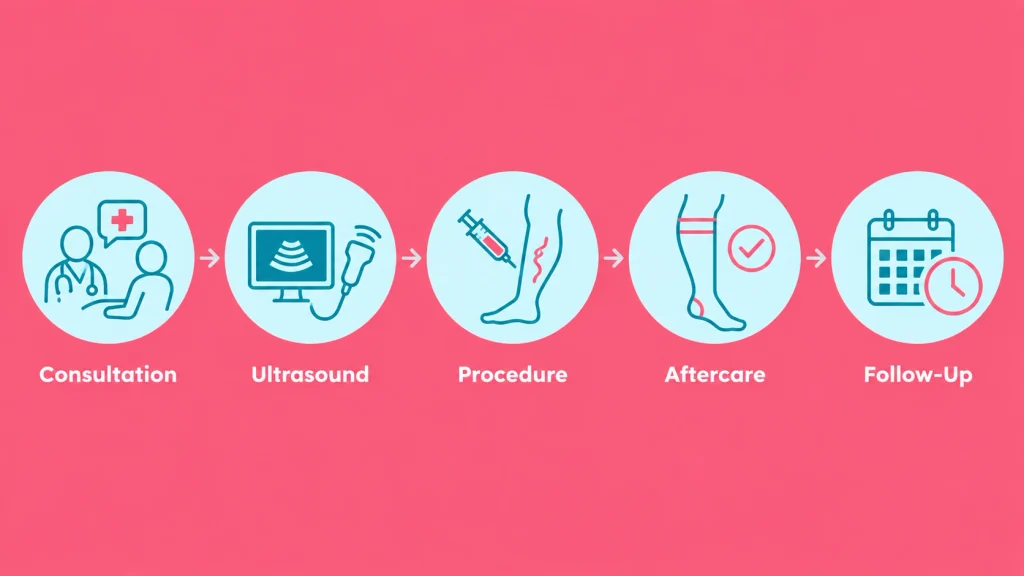
Online prices can be difficult to compare because different sources may be describing different parts of care. A Varithena treatment pathway can involve a consultation, duplex ultrasound, the procedure itself, compression or aftercare supplies, and follow-up. Whether those services are included in one estimate, billed separately, or processed through insurance depends on the clinic and the patient’s plan.
This is also why a medication price or Medicare reimbursement figure should not be treated as the patient’s exact procedure cost. Boston Scientific publishes reimbursement information for clinicians, including payment amounts associated with specific procedure codes. Those figures describe provider reimbursement under a particular schedule; they are not a universal cash price or a prediction of what an individual patient will owe.
Before scheduling treatment, ask what the estimate includes, whether any ultrasound or follow-up charges are separate, and what portion of the cost your insurance plan is expected to process.
How Does Varithena Work?
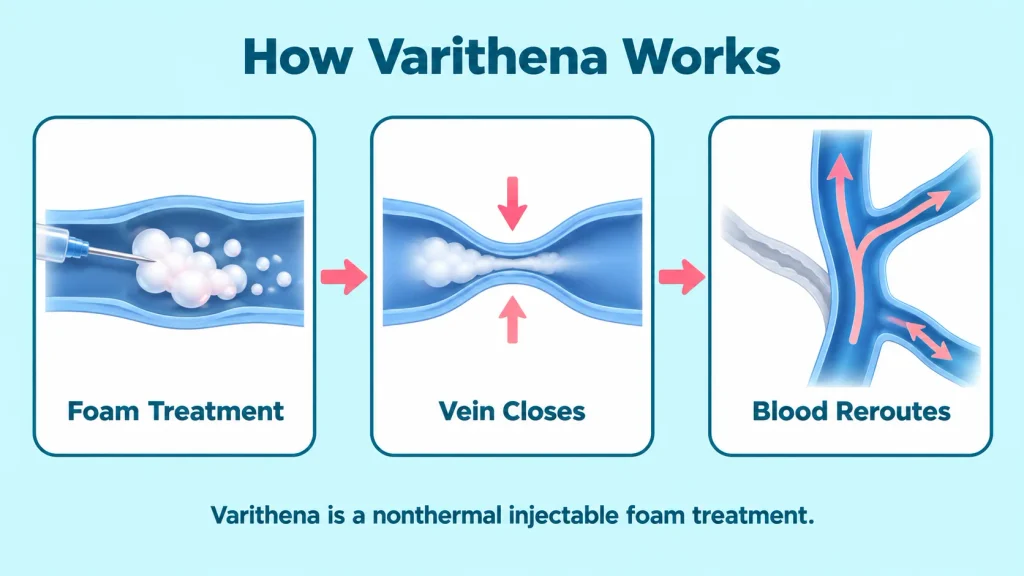
Varithena is an FDA-approved prescription polidocanol injectable foam. The official drug label indicates it for treatment of incompetent great saphenous veins, accessory saphenous veins, and associated visible varicosities of the great saphenous vein system above and below the knee.
During treatment, the injectable foam is introduced into the target vein under clinical guidance. The medication acts on the vein wall so the diseased vein closes and blood redirects through healthier veins. Elite Vein Clinic performs Varithena as a minimally invasive, nonthermal vein treatment and uses ultrasound to help evaluate and guide appropriate care.
This section is intentionally brief because the full procedure, candidacy, recovery time, risks, and aftercare are covered in Elite Vein Clinic’s Varithena treatment guide.
How Does Varithena Compare With Other Vein Treatment Options?
The cost of Varithena makes the most sense when it is compared with clinically appropriate alternatives, not simply with the cheapest procedure available. A vein specialist chooses the right treatment based on the diseased vein, symptoms, ultrasound findings, and medical history.
Varithena
A nonthermal prescription polidocanol microfoam treatment that can treat eligible refluxing and varicose veins without heat-based ablation.
Radiofrequency Ablation
A catheter-based treatment that uses controlled radiofrequency energy to close certain refluxing superficial veins. Learn more about RFA treatment.
VenaSeal
A nonthermal catheter-based option that uses a medical adhesive to close an eligible refluxing vein. Elite Vein Clinic may consider VenaSeal when the anatomy and clinical findings make it an appropriate option.
Compounded Sclerotherapy
An injection-based treatment that Elite Vein Clinic uses primarily for spider veins and smaller varicose veins. It differs from standardized Varithena foam in formulation and typical treatment role. Learn more about sclerotherapy.
How Can You Get an Accurate Varithena Cost Estimate?
The best estimate is based on your actual vein disease, not a national price range. At Elite Vein Clinic, the process can include the following steps:
1. Review your symptoms and medical history: The provider looks at pain, swelling, heaviness, visible varicose veins, previous treatment, medications, and other factors that may affect vein care.
2. Evaluate the veins: A physical examination and duplex ultrasound, when clinically appropriate, help identify venous reflux and the veins that may need treatment.
3. Choose the right treatment: The physician determines whether Varithena or another minimally invasive treatment best fits your findings.
4. Review insurance benefits: If treatment may be medically necessary, the clinic can review available insurance coverage, authorization requirements, and expected patient responsibility.
5. Confirm your estimate: Once the clinical treatment plan is clear, you can receive a more useful estimate of the cost of your treatment and discuss the next steps.
| Want a Personalized Varithena Cost Estimate? Schedule a Vein Consultation |
Frequently Asked Questions About Varithena Cost
Varithena may fall within a broad range of about $1,500 to $3,000 per treatment, but that is not a fixed Elite Vein Clinic price. The final cost depends on the veins being treated, the number of sessions, one or both legs, insurance coverage, and the personalized treatment plan.
Without insurance, the patient is generally responsible for the self-pay amount established by the clinic. Published online estimates can provide context, but they do not determine Elite Vein Clinic’s current cash price. Ask for a personalized estimate after your vein evaluation.
Varithena may be covered when treatment is medically necessary and the requirements of the insurance plan are met. Coverage can depend on symptoms, diagnosis, ultrasound findings, vein anatomy, conservative-treatment requirements, network status, and authorization rules. Benefits verification does not guarantee payment.
Medicare coverage depends on the applicable Medicare policy and whether the treatment meets medical-necessity and documentation requirements. Patients should verify current coverage for the specific procedure and treatment plan before scheduling care.
Official Varithena patient information states that most people need a single treatment, but additional treatment may be needed depending on the number and size of veins being treated. Your vein specialist can estimate the likely number of sessions after reviewing your vein anatomy.
Varithena is a standardized, FDA-approved, non-compounded polidocanol injectable foam. It is a sclerosing treatment, but it is not the same as physician-compounded foam sclerotherapy. Elite Vein Clinic uses compounded sclerotherapy primarily for spider veins and smaller varicose veins.
Different websites may be referring to different things: a clinic’s procedure price, the medication, a provider reimbursement schedule, an insurance-negotiated amount, or the patient’s final responsibility. Those figures are not interchangeable. A personalized treatment estimate is the best way to understand what you may actually pay.