Aching or Throbbing
Discomfort that may become more noticeable after long periods of standing.
 EN
Phoenix Valley Varicose Vein Care
Varicose veins may be more than a cosmetic concern. If enlarged or twisted veins appear with aching, heaviness, swelling, cramping, itching, or skin changes, an evaluation can help determine whether venous reflux may be involved.
✓
Varicose Vein Evaluation for enlarged veins and related leg discomfort
✓
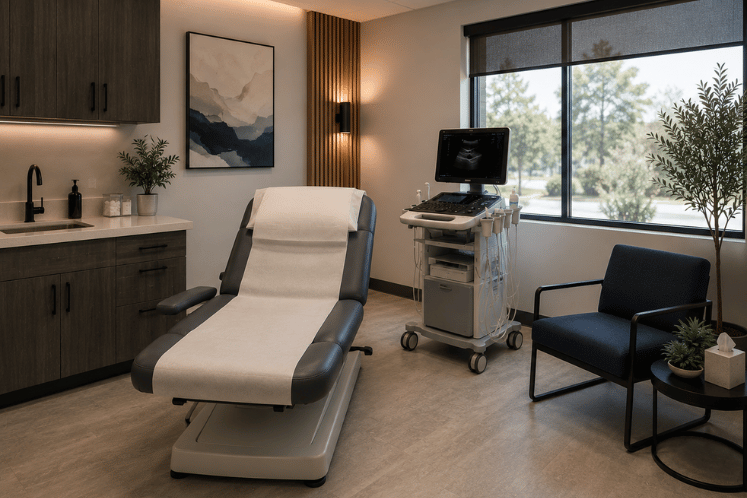
Same-day ultrasound and results
✓
Evaluation and treatment available at every clinic
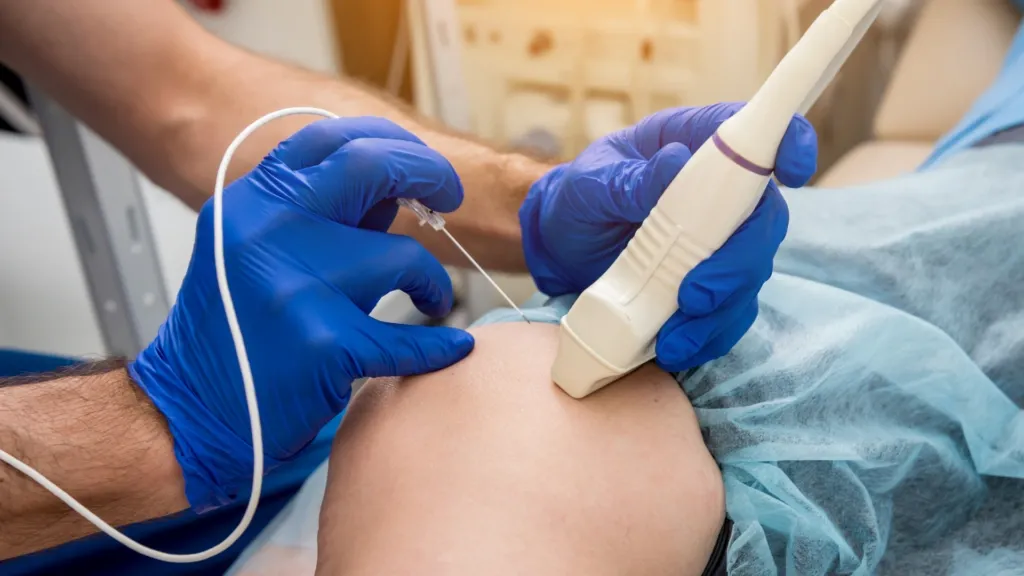
✓ Vein consultation
✓ Same-day ultrasound
Credentials, Professional Affiliations & Training

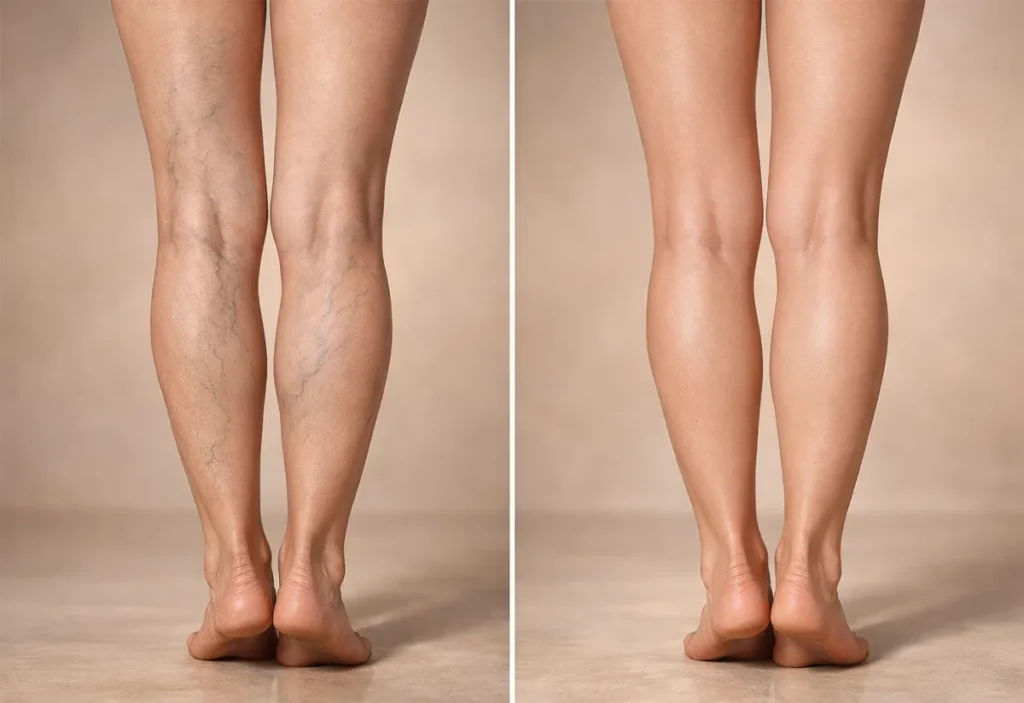
Understand the Condition
Varicose veins are enlarged superficial veins that often appear twisted, swollen, or raised above the skin. They most commonly develop in the legs because leg veins must move blood upward against gravity.
1
They allow blood to move upward toward the heart.
2
This helps reduce backward blood flow inside the veins.
3
Blood can collect, increasing pressure on the vein walls.
4
The result can be a visible bulging vein and related leg symptoms.
How Veins Change
The process can begin below the surface before a vein becomes visibly enlarged.
1
Calf muscles and one-way valves help blood move toward the heart.
2
Valves may not close fully because of genetics, age, pressure, or prior injury.
3
Reflux allows blood to collect inside superficial veins.
4
Increased pressure can stretch the vein walls and make veins swell.
5
The vein may appear enlarged, twisted, or bulging and may cause symptoms.
What Your Legs May Feel
Some varicose veins cause no discomfort. Others may appear with physical symptoms that become more noticeable after standing, sitting, or normal daily activity.
Discomfort that may become more noticeable after long periods of standing.
A tired, pressured, or heavy feeling that can affect normal leg activity.
Irritation, warmth, or a burning sensation around visible veins.
Cramping or muscle tightness that may interrupt sleep or rest.
Soreness, pressure, or sensitivity around enlarged or visible veins.
Swelling around the lower legs or ankles that may worsen later in the day.
Why They Develop
Varicose veins develop when pressure builds inside superficial leg veins and the vein walls or one-way valves do not function normally. Several factors can increase the likelihood of developing them.
A family history of varicose veins can increase risk.
Vein walls and valves may weaken over time.
Blood volume and pressure on pelvic veins may change.
Long periods in one position can make blood return harder.
Calf muscle movement helps push blood upward.
Excess weight or prior vein injury may add pressure.
Visible Vein Types
These veins can appear together, but they differ in size, depth, appearance, and the symptoms they may cause.
Smallest
Thin red, blue, or purple web-like vessels close to the skin. They are often cosmetic, though nearby symptoms may have another cause.
Medium
Blue or green veins beneath the skin. They may feed nearby spider veins and are larger than spider veins but smaller than varicose veins.
Larger
Enlarged, twisted, or bulging superficial veins. They may appear with aching, heaviness, swelling, itching, cramping, or skin changes.
Know When to Act
Stable visible veins may begin as an appearance concern. A vein specialist should evaluate them when they appear with ongoing aching, heaviness, swelling, skin changes, bleeding, or a sore that does not heal.
Sudden one-sided swelling, pain, warmth, redness, or discoloration needs prompt medical attention because it may indicate a problem beyond routine varicose veins.
Book a Vein ConsultationSymptoms that continue, worsen after standing, or affect normal activity deserve evaluation.
Swelling that returns or becomes more noticeable later in the day may need assessment.
Discoloration, irritation, dryness, or hardening near the ankle should not be ignored.
A sore near the ankle or unexpected bleeding from a surface vein requires medical review.
Promptly contact a medical professional for sudden swelling, pain, warmth, redness, or discoloration in one leg.
Your First Visit
Your recommendation begins with listening, examination, and diagnostic information, not a one-size-fits-all procedure.
1
Discuss symptoms, medical history, previous care, and your goals.
2
Review visible veins, swelling, skin changes, and areas of discomfort.
3
Assess blood flow, valve function, reflux, vein anatomy, and other relevant findings.
4
Review results and learn which treatment or next step may fit your findings.
Personalized Care
The appropriate treatment depends on symptoms, vein size, vein shape, location, medical history, and ultrasound findings. Some patients may need more than one treatment approach.
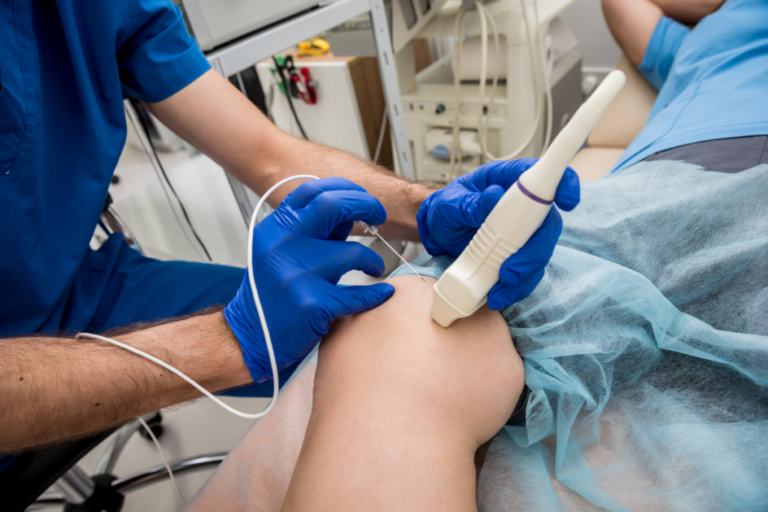
Catheter-Based
Controlled radiofrequency energy closes selected refluxing superficial veins through a small catheter placed under ultrasound guidance.
✓
Targets selected underlying reflux
✓
Performed in office
✓
Guided by ultrasound findings

Medicated Microfoam
An injectable microfoam is used to treat selected varicose veins when the physician determines the vein anatomy and treatment plan are appropriate.
✓
Nonthermal treatment option
✓
Useful for selected vein shapes
✓
Chosen after clinical evaluation
Injection Treatment
A liquid or foam sclerosant is injected into selected smaller varicose veins or spider veins, with ultrasound guidance when clinically indicated.
✓
Targets selected visible veins
✓
May be used later in a treatment plan
✓
Session needs vary by patient
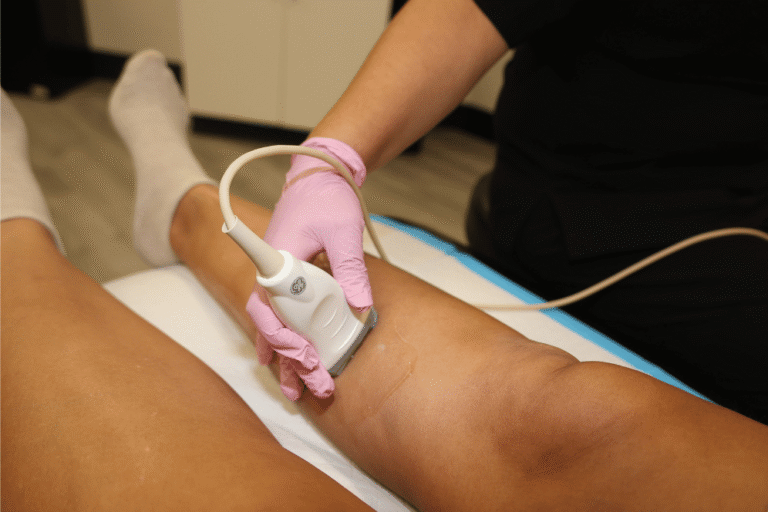
Medical Adhesive
Medical adhesive closes selected diseased superficial veins without thermal energy. Ultrasound helps determine whether the vein anatomy is appropriate.
✓
Nonthermal closure option
✓
Treats selected refluxing veins
✓
Chosen after ultrasound evaluation
No single treatment is right for every vein. Your consultation and ultrasound findings help the clinical team recommend the most appropriate option.
Before, During & After Treatment
Your experience will depend on your symptoms, vein anatomy, ultrasound findings, and recommended treatment. Our care team will explain how to prepare, what may happen during treatment, and the aftercare that applies to your plan.
01
▤
Our care team reviews your concerns, medical history, ultrasound findings, and recommended procedure before treatment begins.
◯
The treatment area is cleaned and prepared. Comfort measures depend on the selected procedure.
⌁
Your physician performs the treatment chosen for the vein size, location, anatomy, and ultrasound findings.
02
✓
You receive written guidance about walking, compression when recommended, tenderness, bruising, and when to contact the clinic.
↗
Activity guidance varies by procedure and patient. Our team will explain the limits that apply to your plan.
◷
Our team may review healing, symptoms, and remaining veins. Treated veins can close or fade gradually over time.
Cost and Benefits
Coverage may be available when symptoms, examination findings, ultrasound results, and plan-specific medical necessity requirements support treatment. Care performed only for appearance may be considered cosmetic.
✓
Elite Vein Clinic works with most major insurance plans
✓
Free insurance benefits verification is available
✓
Our team can explain plan requirements and your estimated financial responsibility
Coverage and patient responsibility vary by plan, diagnosis, treatment, authorization, deductible, and coinsurance.
1
Review symptoms, concerns, insurance information, and possible next steps.
2
Clinical and imaging findings may help document reflux and affected veins.
3
The team checks coverage, referral, documentation, and authorization requirements.
4
Learn what the plan requires and receive an estimate before treatment.
Why Choose Elite Vein Clinic?
Start with a conversation about your symptoms and goals before deciding on treatment.
On-site imaging helps the clinical team understand valve function, reflux, and vein anatomy.
RFA, Varithena, and compounded sclerotherapy allow the plan to match the veins being treated.
Patients can receive help understanding their care and next steps in Spanish.

Your Vein Care Team
Learn about the physicians guiding evaluation and personalized treatment across Elite Vein Clinic locations.

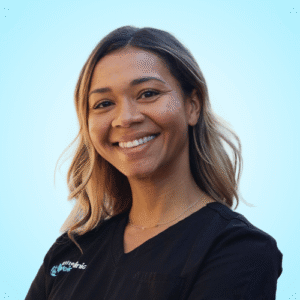
Lead Practitioner
Board-Certified Emergency Medicine
Ultrasound-Guided Procedures

Vein Specialist
Dr. Olaide Abiodun is a physician specializing in phlebology and the diagnosis and treatment of venous disease. She cares for patients with varicose veins, chronic venous insufficiency, leg swelling, heaviness, aching, and other symptoms related to poor venous circulation.
She is board-certified in Internal Medicine and brings more than a decade of clinical experience treating complex medical conditions across hospitals in Ohio and Arizona. Her broad medical background provides a strong foundation for evaluating patients with underlying health conditions that may contribute to or complicate chronic vein disease.
At Elite Vein Clinic, Dr. Abiodun focuses on personalized, minimally invasive vein treatments designed to address the underlying source of venous symptoms while helping patients improve comfort, mobility, and overall quality of life.
Known for her compassionate approach, Dr. Abiodun combines advanced phlebology care with individualized treatment planning and patient education to help each patient feel informed and confident throughout their treatment.
Book Consultation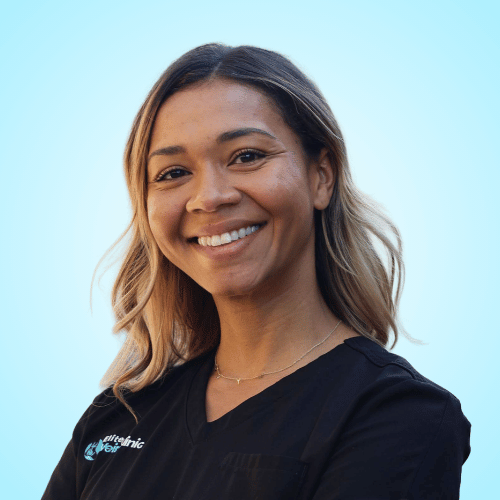
Lead Practitioner
Dr. Jaime French is a physician specializing in phlebology and the diagnosis and treatment of venous disease. She provides care for patients with varicose veins, chronic venous insufficiency, leg swelling, heaviness, aching, and other symptoms related to poor venous circulation.
Dr. French is board-certified in Emergency Medicine and earned her medical degree from Midwestern University’s Arizona College of Osteopathic Medicine before completing her residency at the University of Arizona in Tucson. She later practiced at HonorHealth Emergency Departments throughout the Valley, where she developed extensive experience with ultrasound-guided procedures, vascular evaluation, and complex medical conditions.
At Elite Vein Clinic, Dr. French focuses on minimally invasive, image-guided vein treatments designed to address the underlying cause of venous disease while allowing patients to return to normal activity with minimal downtime.
Known for her thoughtful and approachable style, Dr. French combines advanced phlebology care with individualized treatment planning and patient education to help improve leg comfort, mobility, appearance, and overall quality of life.
Book ConsultationVein Care You Can Trust
Real feedback can help patients understand the communication, comfort, and support they can expect.

Common Questions
Clear answers can help you understand the condition and decide what to ask during a consultation.
Are varicose veins only a cosmetic concern?
Some varicose veins cause no discomfort. Others may be associated with aching, heaviness, swelling, itching, cramping, skin changes, or ulcers. An evaluation can help determine whether underlying venous reflux may be present.
Can varicose veins cause leg pain or swelling?
Varicose veins may occur alongside aching, throbbing, heaviness, fatigue, and lower-leg swelling. These symptoms can also have other causes, so diagnosis should not be based on appearance alone.
What causes varicose veins?
They can develop when weakened vein walls or one-way valves allow blood to move backward and collect inside superficial veins, increasing pressure and causing the vein to enlarge.
How do doctors diagnose varicose veins?
Evaluation may include symptom and medical history review, a physical examination, and duplex ultrasound to assess blood flow, valve function, reflux, vein anatomy, and possible blood clots.
What is the difference between varicose veins and spider veins?
Spider veins are smaller, flatter, and web-like. Varicose veins are larger and may be raised, twisted, or bulging. Reticular veins are medium-sized blue or green veins beneath the skin.
Can lifestyle changes remove varicose veins?
Movement, elevation, weight management, and compression when recommended may help manage symptoms. They do not physically remove an enlarged vein. Treatment decisions depend on the cause and ultrasound findings.
Which treatments are available at Elite Vein Clinic?
Current treatment options include radiofrequency ablation, Varithena, and compounded sclerotherapy. The clinical team selects treatment based on symptoms, vein anatomy, and ultrasound findings.
Does insurance cover varicose vein treatment?
Coverage may be available when plan-specific medical necessity criteria are met. Treatment performed only for appearance may be considered cosmetic. Elite Vein Clinic offers insurance benefits verification.
How much does varicose vein treatment cost?
Patient cost can depend on insurance, deductible, coinsurance, vein findings, treatment type, number of sessions, and authorization requirements. The team can provide an estimate before treatment.
Is varicose vein treatment painful?
Comfort varies by procedure and patient. The team will explain what you may feel, how comfort is managed, and what temporary tenderness or bruising may occur afterward.
How long does recovery take?
Recovery depends on the treatment and your individual plan. You will receive personalized instructions about walking, activity, compression, follow-up, and when to call the clinic.
Can new varicose veins develop after treatment?
Treatment addresses selected unhealthy veins, but it cannot prevent every future vein from developing. Follow-up and ongoing vein-health guidance may help manage new concerns.
English English  Spanish


