Ankle or Lower-Leg Swelling
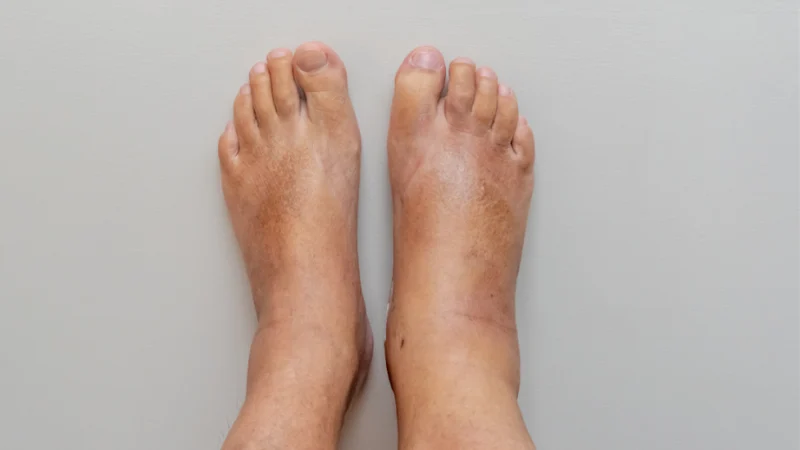
Puffiness is often most noticeable around the ankle and lower portion of the leg.
 EN
Phoenix Valley Vein Care for Leg Swelling
Swelling in your legs, ankles, or feet can happen for many reasons. When it keeps returning or occurs with heaviness, aching, visible veins, itching, or lower-leg skin changes, an underlying vein condition may be contributing.
✓
Swelling Assessment for persistent or recurring leg and ankle swelling
✓
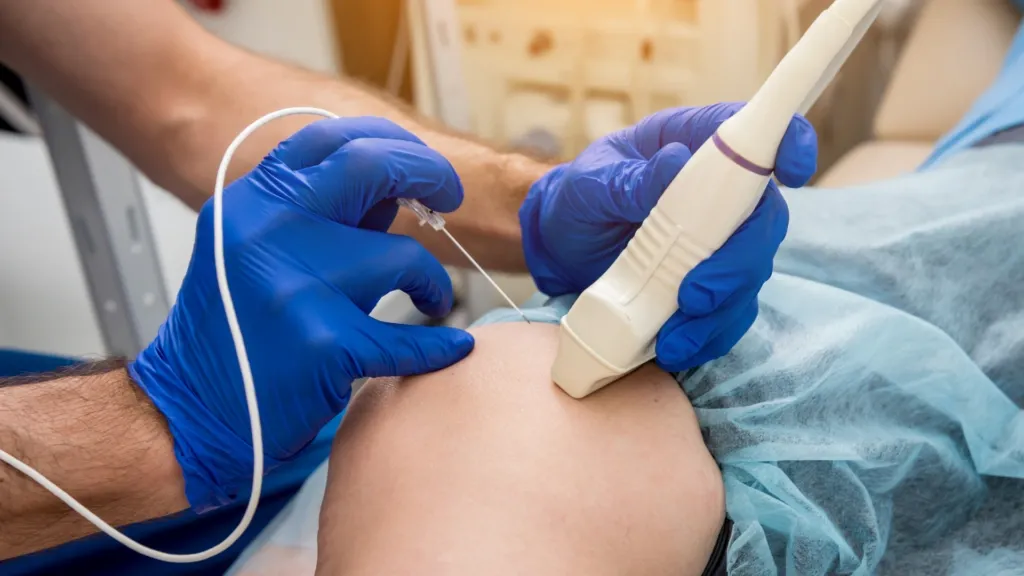
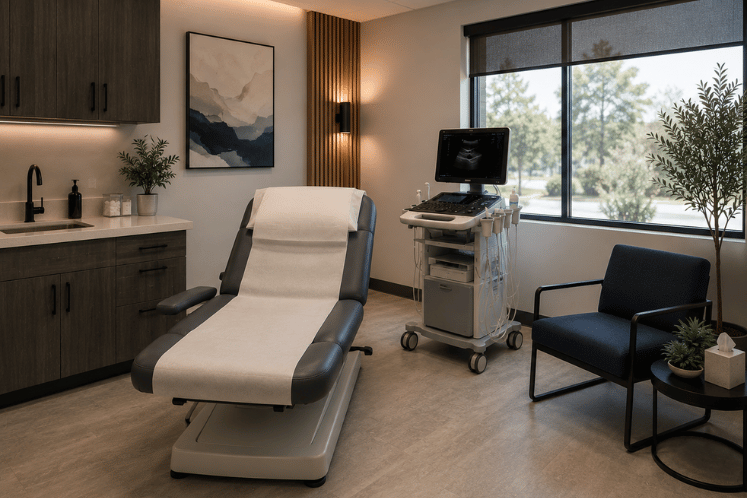
Same-day ultrasound and results when clinically appropriate
✓
Evaluation and treatment available across EVC clinics
✓ Vein consultation
✓ Ultrasound when appropriate
Credentials, Professional Affiliations & Training

Understand the Symptom
Leg swelling, also called edema, happens when excess fluid collects in the tissues. It often appears around the feet, ankles, and lower legs, but the amount, timing, and distribution can vary.
1
The ankle outline may look less defined, especially after time spent on your feet.
2
Socks may leave deeper impressions or normally comfortable shoes may feel tighter.
3
Pressing the swollen skin may temporarily leave an indentation, but this finding has several possible causes.
4
Some people notice fullness, heaviness, tightness, or discomfort rather than sharp pain.
How Vein-Related Swelling Can Develop
When the valves inside the leg veins stop working efficiently, pressure can build in the lower legs and contribute to fluid accumulation in surrounding tissue.
1
Healthy one-way valves normally help blood move upward toward the heart.
2
When valves do not close properly, backward flow known as venous reflux can develop.
3
Reflux can allow blood to collect in superficial veins and increase pressure lower in the legs.
4
Higher venous pressure can contribute to excess fluid collecting in the surrounding lower-leg tissue.
5
Ankle or lower-leg swelling may be more visible after prolonged standing or later in the day.
Look at the Full Pattern
Swelling by itself does not diagnose a vein problem. These accompanying patterns can make a venous evaluation more relevant.
Puffiness is often most noticeable around the ankle and lower portion of the leg.
Swelling may become more noticeable after hours spent upright or on your feet.
A full, tired, pressured, or aching feeling may accompany lower-leg swelling.
Bulging or twisted veins together with swelling may point toward a venous circulation problem.
Long-term venous disease can occur with itching, dryness, irritation, or lower-leg discoloration.
Some venous swelling may lessen after time off your feet or with the legs elevated.
Possible Causes
Leg swelling does not have one cause. Timing, whether one or both legs are involved, accompanying symptoms, medical history, medications, and examination findings all matter.
Venous reflux can increase lower-leg pressure and contribute to ankle and leg swelling.
A blood clot can cause sudden swelling, pain or tenderness, warmth, and redness in the affected leg.
Problems with lymphatic drainage can cause persistent swelling, heaviness, and tissue changes.
Systemic medical conditions can cause fluid retention and swelling in both legs.
Some medicines, hormones, and pregnancy can contribute to ankle or leg edema.
Long periods in one position, injury, infection, and inflammation can also cause temporary or localized swelling.
Compare the Clues
The distribution and timing of swelling provide useful clues, but no single pattern identifies the cause by itself.
Possible Venous Pattern
Ankle swelling that worsens after standing may occur with heaviness, aching, varicose veins, itching, or skin changes.
Prompt Evaluation May Be Needed
A newly swollen leg, especially with pain, tenderness, warmth, or redness, needs prompt medical assessment because DVT is one possible cause.
Broader Medical Evaluation
Bilateral swelling can occur with venous disease, but heart, kidney, liver, medication, and other causes may also need consideration.
Know When to Act
Persistent or recurring swelling deserves evaluation, particularly when it affects daily comfort or appears with visible veins, skin changes, pain, or other new symptoms.
Some swelling patterns need prompt or emergency medical attention rather than a routine vein appointment.
Persistent or recurrent swelling deserves evaluation, especially when you cannot identify a clear temporary reason.
Tightness, heaviness, aching, or difficulty wearing normal shoes can justify discussing the symptom with a healthcare professional.
Swelling with visible veins, itching, discoloration, or other lower-leg changes may make a venous evaluation more relevant.
These can be warning signs of DVT. Seek prompt medical attention rather than waiting for a routine vein consultation.
Sudden breathing difficulty, chest pain, coughing up blood, fainting, or similar symptoms require immediate emergency medical care.
Your First Visit
A vein evaluation does not diagnose every possible cause of swollen legs. EVC focuses on determining whether a problem with the veins may be contributing.
1
Discuss when swelling began, whether one or both legs are affected, how it changes through the day, and which other symptoms are present.
2
Your provider examines the swelling, visible veins, skin changes, and other findings that may help identify a venous pattern.
3
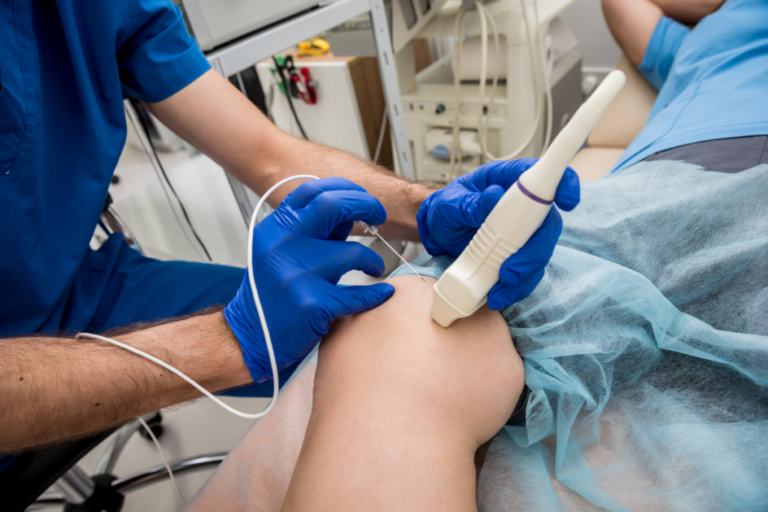
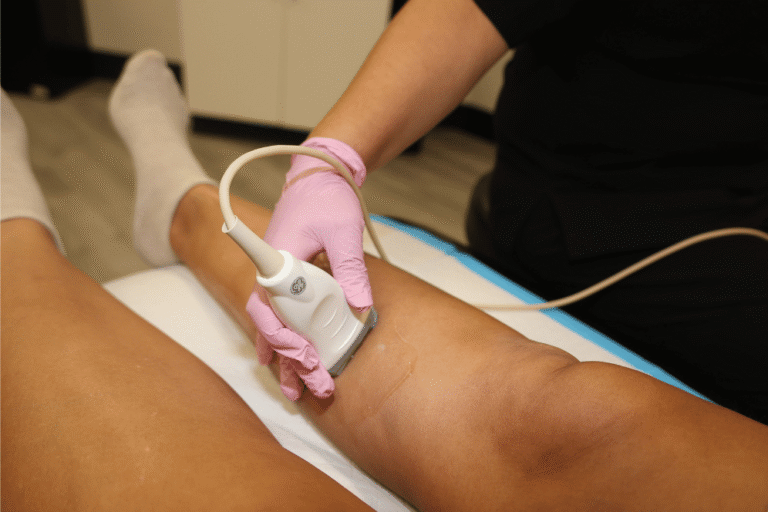
When clinically appropriate, duplex ultrasound assesses blood flow, vein anatomy, valve function, and venous reflux.
4
Your provider explains the findings. If swelling appears unrelated to a treatable vein condition, additional medical evaluation may be appropriate.
Personalized Vein Treatment
Vein treatment is not a general treatment for every type of leg swelling. When ultrasound confirms venous reflux, the appropriate option depends on the affected veins, anatomy, symptoms, and clinical findings.
Catheter-Based
Controlled radiofrequency energy closes selected refluxing superficial veins through a small catheter placed under ultrasound guidance.
✓
Targets selected underlying reflux
✓
Performed in office
✓
Chosen after ultrasound evaluation

Medicated Microfoam
Injectable microfoam closes selected veins affected by venous reflux when the vein anatomy, symptoms, and treatment plan are appropriate.
✓
Nonthermal treatment option
✓
Useful for selected vein patterns
✓
Chosen after clinical evaluation

Injection Treatment
An injectable sclerosant closes selected smaller problematic veins and may form part of a broader treatment plan after the underlying vein pattern is evaluated.
✓
Targets selected smaller veins
✓
May complement a broader plan
✓
Session needs vary by patient
Medical Adhesive
Medical adhesive closes selected diseased superficial veins without thermal energy. Ultrasound findings help determine whether the vein anatomy is appropriate.
✓
Nonthermal closure option
✓
Treats selected refluxing veins
✓
Chosen after ultrasound evaluation
Treating confirmed venous reflux may help reduce venous pressure contributing to swelling, but the amount of improvement varies. Swelling caused by another condition may remain.
During and After Treatment
Your experience depends on the vein condition found and the procedure selected. Treatment addresses diagnosed venous disease rather than every possible cause of leg swelling.
01
▤
Confirm the affected veins, ultrasound findings, and the procedure selected for your venous condition.
◯
Your care team explains the steps, numbing, or other preparation relevant to the selected procedure.
⌁
Your provider treats the diagnosed vein using the approach selected for your anatomy and reflux pattern.
02
✓
Receive walking, activity, compression, and other instructions based on your procedure and clinical needs.
↗
Your team may ask you to watch swelling, heaviness, aching, and other vein-related symptoms over time.
◷
Follow-up care helps assess treatment progress and whether additional vein care is appropriate.
Understanding Your Benefits
Coverage depends on the diagnosed vein condition, clinical findings, ultrasound results, medical necessity, and your individual insurance plan. Leg swelling by itself does not determine medical necessity.
✓
Elite Vein Clinic works with most major insurance plans
✓
Free insurance benefits verification is available
✓
Our team can explain plan requirements and your estimated financial responsibility
Coverage and patient responsibility vary by plan, diagnosis, treatment, authorization, deductible, coinsurance, and documented medical necessity.
1
Discuss your swelling pattern, related symptoms, insurance information, and possible next steps.
2
Determine whether clinical findings and ultrasound, when appropriate, support a venous diagnosis.
3
Check coverage, documentation, referral, and authorization requirements for the diagnosed vein condition.
4
Understand known plan requirements and estimated financial responsibility before treatment.
Why Choose Elite Vein Clinic?
Our providers consider timing, one-leg versus both-leg involvement, aching, heaviness, visible veins, skin changes, and other clinical clues.
When the pattern suggests a vein problem, on-site ultrasound can evaluate reflux and the veins that may be contributing.
EVC offers RFA, Varithena, compounded sclerotherapy, and VenaSeal for selected venous conditions.
We recommend a vein procedure only when the evaluation identifies a venous problem that the procedure is designed to address.

Your Vein Care Team
Learn about the physicians who assess venous symptoms and guide personalized treatment across Elite Vein Clinic locations.


Lead Practitioner
Board-Certified Emergency Medicine
Ultrasound-Guided Procedures

Vein Specialist
Dr. Olaide Abiodun is a physician specializing in phlebology and the diagnosis and treatment of venous disease. She cares for patients with varicose veins, chronic venous insufficiency, leg swelling, heaviness, aching, and other symptoms related to poor venous circulation.
She is board-certified in Internal Medicine and brings more than a decade of clinical experience treating complex medical conditions across hospitals in Ohio and Arizona. Her broad medical background provides a strong foundation for evaluating patients with underlying health conditions that may contribute to or complicate chronic vein disease.
At Elite Vein Clinic, Dr. Abiodun focuses on personalized, minimally invasive vein treatments designed to address the underlying source of venous symptoms while helping patients improve comfort, mobility, and overall quality of life.
Known for her compassionate approach, Dr. Abiodun combines advanced phlebology care with individualized treatment planning and patient education to help each patient feel informed and confident throughout their treatment.
Book Consultation
Lead Practitioner
Dr. Jaime French is a physician specializing in phlebology and the diagnosis and treatment of venous disease. She provides care for patients with varicose veins, chronic venous insufficiency, leg swelling, heaviness, aching, and other symptoms related to poor venous circulation.
Dr. French is board-certified in Emergency Medicine and earned her medical degree from Midwestern University’s Arizona College of Osteopathic Medicine before completing her residency at the University of Arizona in Tucson. She later practiced at HonorHealth Emergency Departments throughout the Valley, where she developed extensive experience with ultrasound-guided procedures, vascular evaluation, and complex medical conditions.
At Elite Vein Clinic, Dr. French focuses on minimally invasive, image-guided vein treatments designed to address the underlying cause of venous disease while allowing patients to return to normal activity with minimal downtime.
Known for her thoughtful and approachable style, Dr. French combines advanced phlebology care with individualized treatment planning and patient education to help improve leg comfort, mobility, appearance, and overall quality of life.
Book ConsultationPatient Experiences
Read experiences from patients who visited Elite Vein Clinic for evaluation and vein care.


Common Questions
Clear answers can help you understand common swelling patterns and know when a vein evaluation or other medical care may be appropriate.
What causes leg swelling?
Leg swelling can result from fluid buildup related to prolonged sitting or standing, venous insufficiency, DVT, lymphatic problems, medications, pregnancy, and conditions involving the heart, kidneys, or liver.
Why are my ankles swollen at the end of the day?
Several conditions can cause ankle swelling. Chronic venous insufficiency is one possibility, especially when swelling becomes more noticeable after standing and occurs with heaviness, aching, or visible veins.
Why is only one of my legs swollen?
One-sided swelling can occur with a vein problem, DVT, injury, infection, lymphatic disease, or other localized conditions. Sudden swelling with pain, warmth, tenderness, or redness needs prompt medical attention.
Is left-leg swelling different from right-leg swelling?
The side itself does not identify the cause. What matters more is whether swelling is new or chronic, how quickly it appeared, and whether pain, warmth, redness, injury, or other symptoms are present.
Can chronic venous insufficiency cause leg and ankle swelling?
Yes. Ineffective vein valves can allow blood to pool and increase pressure inside the leg veins, contributing to lower-leg and ankle swelling.
Does swelling mean I have a blood clot?
No. Swelling alone does not diagnose DVT. However, swelling in one leg together with pain or tenderness, warmth, and redness or discoloration should receive prompt medical evaluation.
What is pitting edema?
Pitting edema describes swelling that temporarily leaves an indentation after pressure is applied to the skin. Several conditions can cause it, so the finding does not by itself explain why the leg is swollen.
Do I need an ultrasound for leg swelling?
Not everyone with swollen legs needs a vein ultrasound. When your history, examination, visible veins, and accompanying symptoms suggest a possible venous cause, duplex ultrasound can assess blood flow and valve function.
Can vein treatment reduce leg swelling?
It may help when confirmed venous reflux is contributing to the swelling. The response varies, and swelling caused by other medical conditions may not improve from treating a vein problem alone.
Should I wear compression stockings for swollen legs?
Compression can be useful for some causes of swelling, including certain venous conditions, but the correct approach depends on the underlying cause. New or unexplained swelling should be evaluated before assuming compression is appropriate.
When is leg swelling an emergency?
Seek prompt care for sudden one-sided swelling with pain, warmth, or redness. Seek emergency medical care for unexplained shortness of breath, chest pain, coughing up blood, fainting, or similar symptoms.
Which treatments does Elite Vein Clinic offer when vein disease is contributing?
EVC offers radiofrequency ablation, Varithena, compounded sclerotherapy, and VenaSeal for selected vein conditions. The appropriate option, if any, depends on the clinical evaluation and ultrasound findings.
English English  Spanish


