Strong Urge to Move
A difficult-to-ignore need to walk, stretch, shake, or reposition the legs.

 EN
Phoenix Valley Restless Leg Symptom Evaluation
An uncomfortable urge to move your legs can interrupt sleep and make it difficult to relax. True restless legs syndrome is a neurological condition, while swelling, heaviness, aching, or visible veins may point to a separate or contributing vein problem.
✓
Vein Symptom Assessment when restlessness occurs
✓
Vein-focused evaluation when symptoms suggest venous disease
✓
Same-day ultrasound and results when clinically appropriate
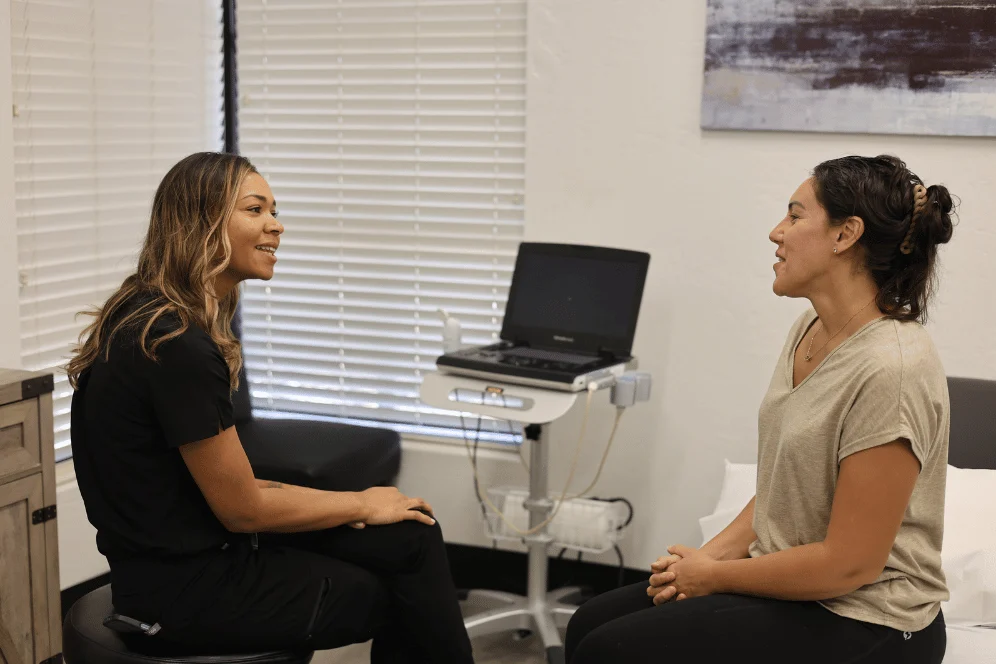
✓ Vein consultation
✓ Vein evaluation when appropriate
Credentials, Professional Affiliations & Training



Understand the Symptom Pattern
Restless legs syndrome, or RLS, is a neurological and sleep-related movement condition. It creates an urge to move the legs that typically begins or worsens during rest, improves temporarily with movement, and becomes more noticeable in the evening or at night.
1
People often describe an uncomfortable need to walk, stretch, shake, or reposition the legs.
2
Sitting or lying down can make the sensations more noticeable.
3
Walking or stretching often helps while the movement continues.
4
Nighttime cramps, neuropathy, swelling, and vein-related aching may follow a different pattern.
Recognize the Pattern
RLS is identified by how the symptoms behave over time, not by one sensation alone.
1
Symptoms often appear while sitting, lying down, traveling, watching television, or trying to sleep.
2
Crawling, tingling, pulling, aching, itching, or other difficult-to-describe sensations may begin.
3
The person feels driven to walk, stretch, shake, or repeatedly reposition the legs.
4
Walking or stretching may partly or fully reduce the sensations while movement continues.
5
The sensations may return when movement stops and commonly become more noticeable in the evening.
What Restless Legs May Feel Like
The full pattern matters. These features commonly appear together in neurological RLS.
A difficult-to-ignore need to walk, stretch, shake, or reposition the legs.
Restlessness commonly begins or becomes worse while sitting or lying down.
Walking or stretching may reduce symptoms temporarily while the movement continues.
Symptoms often become more noticeable later in the day or when trying to sleep.
People may describe pulling, tingling, itching, aching, throbbing, or crawling sensations.
The urge to move may delay sleep, wake you at night, or contribute to daytime fatigue.
Possible Causes and Triggers
RLS does not have one cause in every patient. Medical history, iron status, pregnancy, medications, sleep, and other health conditions can matter.
Some people develop RLS without another identifiable condition, and genetics may contribute.
Low iron stores may contribute and should be assessed with appropriate medical testing.
Symptoms may appear or worsen during pregnancy, especially later in pregnancy.
Neuropathy, kidney disease, and other medical conditions may occur with restless-leg symptoms.
Some medications may aggravate RLS. Medication changes should be discussed with the prescribing clinician.
Sleep deprivation, caffeine, nicotine, and alcohol may worsen symptoms for some people.
Compare the Pattern
Different conditions can create nighttime leg discomfort. The timing, sensations, triggers, and response to movement help separate them.
Neurological Pattern
A strong urge to move that begins or worsens during rest and improves temporarily with movement.
Possible Vein Pattern
Aching, heaviness, pressure, or swelling that may become worse after prolonged standing or sitting.
Muscle Pattern
Sudden painful muscle tightening, commonly in the calf or foot, rather than a classic urge-to-move pattern.
Know When to Seek Answers
Repeated restless-leg symptoms deserve medical attention when they disrupt sleep, become more frequent, or affect daily life. A primary care clinician, sleep specialist, or neurologist may evaluate the classic neurological RLS pattern.
When restlessness occurs with heaviness, swelling, aching, skin changes, or visible veins, a vein evaluation can help determine whether a separate venous condition may be contributing. Sudden one-sided swelling, pain, warmth, or discoloration needs prompt medical attention.
Book a Vein ConsultationThe urge to move makes it difficult to fall asleep or wakes you during the night.
Increasing frequency, intensity, or duration may justify a broader medical review.
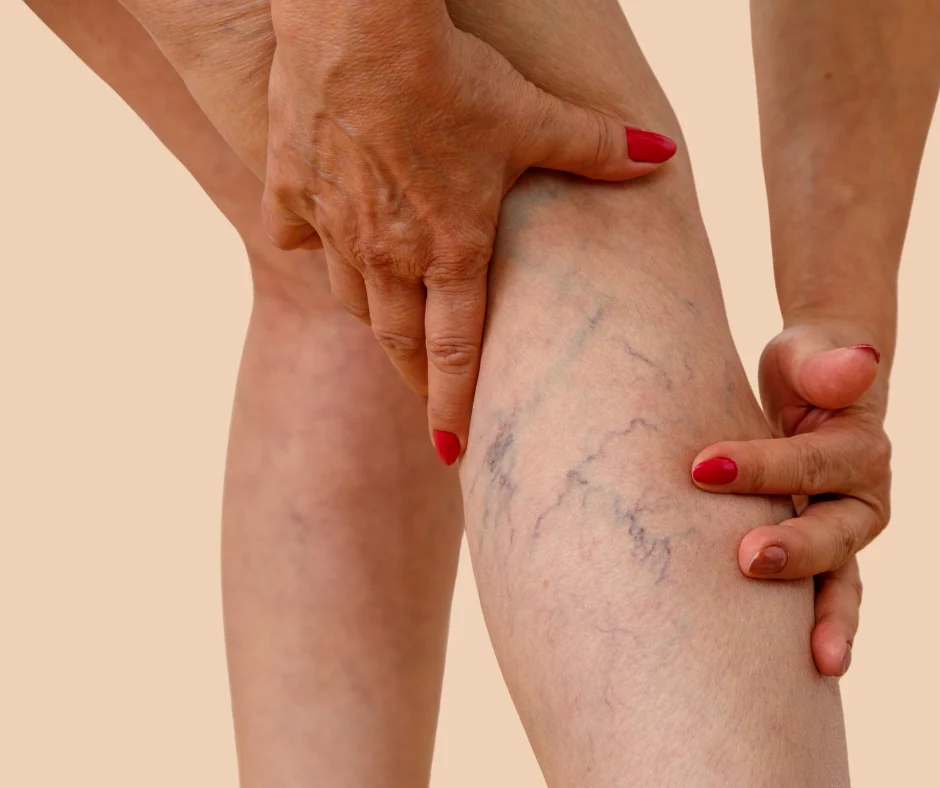
Heaviness, ankle swelling, aching, skin changes, or varicose veins may justify a vein evaluation.
Loss of strength or persistent numbness does not represent the classic RLS pattern and may need another type of evaluation.
A clinician can help distinguish RLS from cramping, neuropathy, medication effects, positional discomfort, and vascular symptoms.
Your First Visit
Elite Vein Clinic does not use ultrasound to diagnose neurological RLS. Our evaluation looks for evidence that venous reflux, varicose veins, or another vein condition may be contributing to your leg discomfort.
1
Discuss when symptoms occur, what they feel like, and whether movement, elevation, standing, or sitting changes them.
2
Review the legs for varicose veins, swelling, tenderness, skin changes, and other signs associated with venous disease.
3
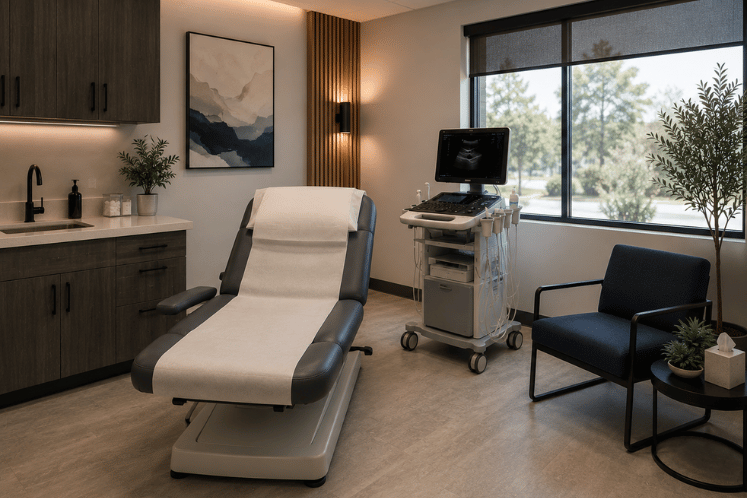
If the pattern suggests a vein problem, on-site duplex ultrasound can assess blood flow, valve function, reflux, and vein anatomy.
4
Learn whether a venous condition is present and whether vein treatment or another type of medical evaluation makes sense.
When a Vein Condition Is Found
There is no vein procedure that directly treats primary neurological RLS. If examination and ultrasound identify venous reflux or symptomatic varicose veins, treatment may be recommended for that diagnosed vein condition.
Catheter-Based
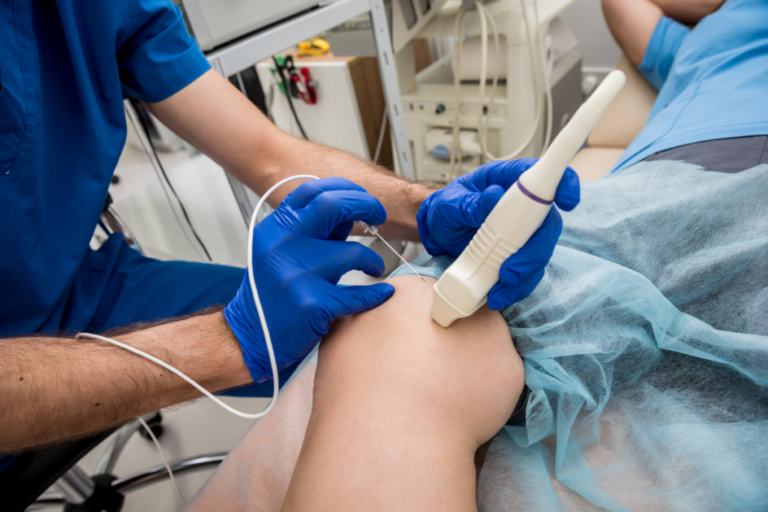
Controlled radiofrequency energy closes selected refluxing superficial veins through a small catheter placed under ultrasound guidance. Treatment targets the diagnosed vein problem, not neurological RLS.
✓
Targets selected underlying reflux
✓
Performed in office
✓
Guided by ultrasound findings

Medicated Microfoam
Varithena microfoam may treat selected varicose veins when the vein anatomy, reflux pattern, symptoms, and treatment plan are appropriate.
✓
Nonthermal treatment option
✓
Useful for selected vein shapes
✓
Chosen after clinical evaluation
Injection Treatment
Compounded sclerotherapy may be used for selected smaller varicose or surface veins after the underlying vein pattern has been evaluated.
✓
Targets selected visible veins
✓
May be used later in a treatment plan
✓
Session needs vary by patient
Treating a confirmed vein condition may improve related aching, heaviness, swelling, or nighttime discomfort, but it cannot guarantee that neurological restless-leg symptoms will resolve.
Before, During & After Vein Treatment
Your experience depends on the vein condition found, your ultrasound findings, anatomy, and selected procedure. Your provider will explain what the treatment is designed to address and which symptoms may have another cause.
01
▤
Your provider confirms the affected vein, ultrasound findings, and recommended procedure before treatment begins.
◯
The care team prepares the leg and explains the comfort measures or procedural steps that apply.
⌁
Your provider performs the procedure chosen for the diagnosed vein anatomy and reflux pattern.
02
✓
You receive instructions for walking, compression when recommended, skin care, activity, and when to contact the clinic.
↗
Notice changes in heaviness, swelling, aching, and nighttime discomfort without assuming every restless sensation will disappear.
◷
Follow-up may include imaging or a clinical examination to review the treated vein and your response.
Cost and Benefits
Restless sensations alone do not determine coverage. Coverage depends on whether examination and ultrasound identify a medically necessary vein condition and whether the recommended treatment meets your plan requirements.
✓
Elite Vein Clinic works with most major insurance plans
✓
Free insurance benefits verification is available
✓
Our team can explain plan requirements and your estimated financial responsibility
Coverage and patient responsibility vary by plan, diagnosis, treatment, authorization, deductible, coinsurance, and documented medical necessity.
1
Review your leg symptoms, vein concerns, insurance information, and possible next steps.
2
Clinical findings and ultrasound, when appropriate, can determine whether a vein diagnosis is present.
3
The team checks coverage, referral, documentation, and authorization requirements for the diagnosed vein condition.
4
Learn what your plan requires and receive an estimate before vein treatment.
Why Choose Elite Vein Clinic?
Start with a conversation about your symptom pattern, swelling, heaviness, visible veins, and other concerns.
Our providers do not assume every restless sensation comes from vein disease. We look for clinical signs that support or weaken a venous explanation.
On-site imaging can assess valve function, reflux, and vein anatomy when the history and examination suggest a possible vein problem.
We recommend a vein procedure only when the examination and ultrasound identify a condition the procedure is designed to address.

Your Vein Care Team
Learn about the physicians who assess venous symptoms and guide personalized care across Elite Vein Clinic locations.


Lead Practitioner
Board-Certified Emergency Medicine
Ultrasound-Guided Procedures

Vein Specialist
Dr. Olaide Abiodun is a physician specializing in phlebology and the diagnosis and treatment of venous disease. She cares for patients with varicose veins, chronic venous insufficiency, leg swelling, heaviness, aching, and other symptoms related to poor venous circulation.
She is board-certified in Internal Medicine and brings more than a decade of clinical experience treating complex medical conditions across hospitals in Ohio and Arizona. Her broad medical background provides a strong foundation for evaluating patients with underlying health conditions that may contribute to or complicate chronic vein disease.
At Elite Vein Clinic, Dr. Abiodun focuses on personalized, minimally invasive vein treatments designed to address the underlying source of venous symptoms while helping patients improve comfort, mobility, and overall quality of life.
Known for her compassionate approach, Dr. Abiodun combines advanced phlebology care with individualized treatment planning and patient education to help each patient feel informed and confident throughout their treatment.
Book Consultation
Lead Practitioner
Dr. Jaime French is a physician specializing in phlebology and the diagnosis and treatment of venous disease. She provides care for patients with varicose veins, chronic venous insufficiency, leg swelling, heaviness, aching, and other symptoms related to poor venous circulation.
Dr. French is board-certified in Emergency Medicine and earned her medical degree from Midwestern University’s Arizona College of Osteopathic Medicine before completing her residency at the University of Arizona in Tucson. She later practiced at HonorHealth Emergency Departments throughout the Valley, where she developed extensive experience with ultrasound-guided procedures, vascular evaluation, and complex medical conditions.
At Elite Vein Clinic, Dr. French focuses on minimally invasive, image-guided vein treatments designed to address the underlying cause of venous disease while allowing patients to return to normal activity with minimal downtime.
Known for her thoughtful and approachable style, Dr. French combines advanced phlebology care with individualized treatment planning and patient education to help improve leg comfort, mobility, appearance, and overall quality of life.
Book ConsultationPatient Experiences
Read experiences from patients who visited Elite Vein Clinic for evaluation and vein care.



Common Questions
Clear answers can help you understand the difference between neurological RLS and symptoms that may justify a vein evaluation.
What is restless legs syndrome?
Restless legs syndrome is a neurological condition that causes a strong urge to move the legs, usually with uncomfortable sensations. Symptoms commonly begin during rest, improve temporarily with movement, and become worse in the evening or at night.
What do restless legs feel like?
People may describe crawling, creeping, pulling, tugging, tingling, itching, aching, or throbbing sensations. The urge to move is usually more important diagnostically than any one descriptive word.
Why are restless legs worse at night?
RLS commonly follows an evening and nighttime pattern. Rest and inactivity around bedtime can also make the sensations more noticeable.
Are restless legs caused by poor circulation?
Not usually. Primary RLS is a neurological condition. Some patients may also have a separate vein problem, so the full symptom pattern matters.
Can varicose veins make my legs feel restless?
Varicose veins and venous reflux may cause aching, heaviness, pressure, swelling, or nighttime discomfort. Those symptoms can feel like restlessness, but they do not automatically meet the diagnostic criteria for neurological RLS.
How can I tell RLS from a vein problem?
RLS usually begins during rest, improves while moving, and becomes worse at night. Vein-related symptoms are more likely to include heaviness, swelling, pressure, visible veins, or symptoms that worsen after prolonged standing or sitting.
Are restless legs the same as nighttime leg cramps?
No. A leg cramp involves sudden painful muscle tightening. RLS creates an urge to move and uncomfortable internal sensations that improve temporarily through movement.
Does an ultrasound diagnose restless legs syndrome?
No. RLS is diagnosed through symptoms, medical history, and exclusion of other conditions. A venous ultrasound evaluates blood flow and valve function when a vein condition is suspected.
Who should evaluate neurological RLS?
A primary care clinician may begin the evaluation and may refer the patient to a neurologist or sleep specialist when appropriate.
Should I take iron for restless legs?
Do not begin iron supplementation without medical testing and guidance. A clinician may check ferritin and other iron measures before recommending treatment.
Can vein treatment improve restless-leg symptoms?
If a separate vein condition is contributing to aching, heaviness, swelling, or nighttime discomfort, treating the diagnosed vein problem may help those symptoms. Vein treatment cannot guarantee improvement in neurological RLS.
Does insurance cover vein treatment for restless-leg symptoms?
Coverage depends on whether the evaluation identifies a medically necessary vein condition and whether the recommended treatment meets your insurance plan requirements.
English English  Spanish


