 EN
ENMon – Fri: 8:30 AM – 5:00 PM
MINIMALLY INVASIVE VEIN INJECTION TREATMENT
Compounded sclerotherapy is an in-office vein treatment that uses a physician-selected sclerosant solution to close spider veins and eligible small varicose veins. Depending on the target vein, the treatment may be performed with or without ultrasound guidance.




QUICK TREATMENT OVERVIEW
Minimally invasive injection-based vein treatment.
Spider veins and eligible small varicose veins.
A sclerosant solution causes the treated vein to close and gradually fade.
About 20-40 minutes, depending on the treatment area.
UNDERSTANDING THE TREATMENT
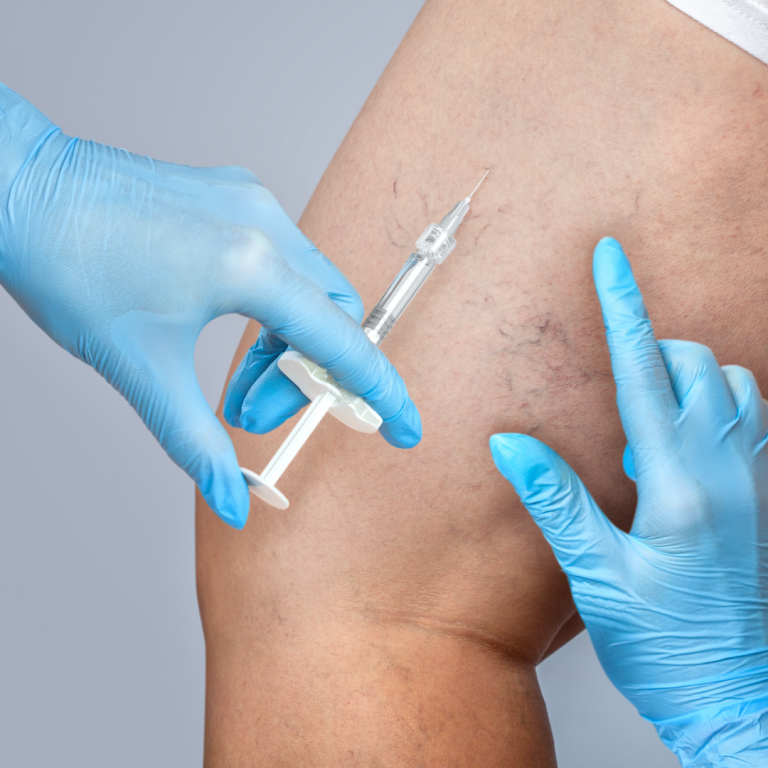
Sclerotherapy is a medical procedure that treats spider veins and smaller varicose veins by injecting a prescribed sclerosant solution into the target vein. The solution causes a controlled reaction in the vein lining, allowing the treated vein to close.
After the vein closes, blood naturally redirects through functioning veins. The body gradually processes the treated vessel, and the visible vein may fade over the following weeks or months. The treatment is performed in the office and does not require surgical vein removal.
MATCHING THE TREATMENT TO THE VEIN
Small red, blue, or purple vessels close to the surface of the skin, often treated for appearance and occasional discomfort.
Small blue-green feeder veins beneath the skin that may contribute to visible spider-vein networks.
Eligible raised or enlarged surface veins that can be treated safely with an injection-based approach.
Visible veins that remain after underlying venous reflux has been addressed with another treatment when necessary.
Sclerotherapy is not the right treatment for every visible vein. If an examination or ultrasound identifies significant underlying reflux, Elite Vein Clinic may recommend RFA, Varithena, or another treatment before using sclerotherapy for remaining surface veins.
PERSONALIZED TREATMENT SELECTION
Elite Vein Clinic considers the complete vein pattern rather than recommending injections based only on what is visible at the skin surface.
The provider reviews whether your concern is appearance, aching, pressure, swelling, burning, or another vein-related symptom.
The examination helps identify spider veins, reticular feeder veins, small varicose veins, skin changes, and signs of a deeper vein problem.
Ultrasound may be used when symptoms, vein size, location, or the visible pattern suggests underlying venous reflux.
The clinician determines whether compounded sclerotherapy, Varithena, RFA, or another treatment best fits the findings and goals.
HOW SCLEROTHERAPY WORKS
1
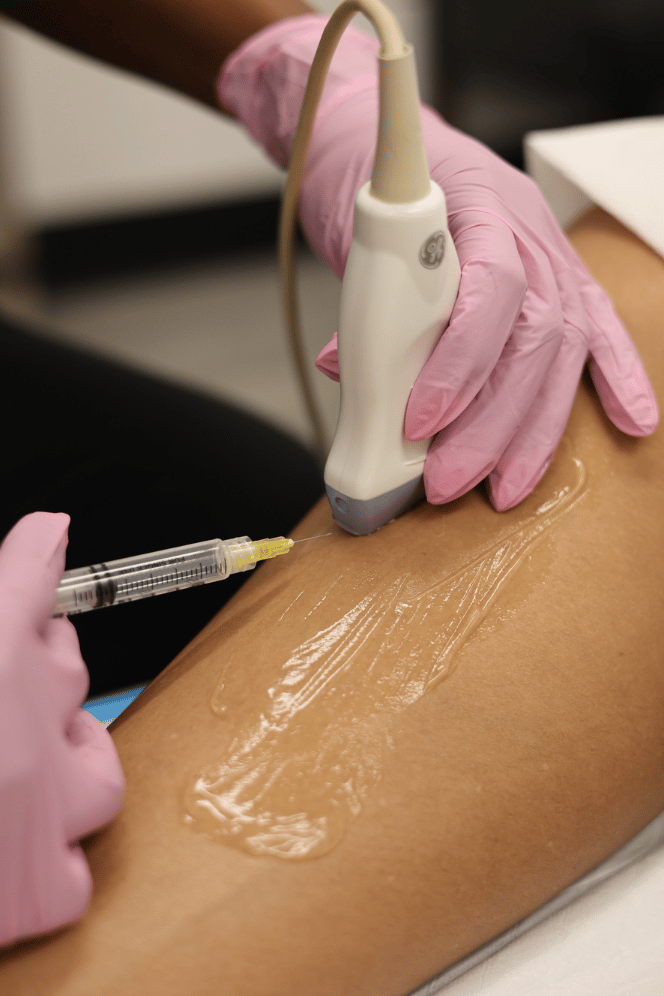
The clinician confirms the treatment areas and may use ultrasound for veins that are not easily seen.
2
The skin is cleaned and the target veins are positioned for accurate injection.
3
A small needle introduces the selected solution into the target vein.
4
Pressure, a dressing, or compression may be used according to the treatment plan.
5
You receive walking, activity, skin-care, and follow-up instructions before leaving.
ON TREATMENT DAY AND AFTER YOUR PROCEDURE
A typical compounded sclerotherapy appointment takes about 20-40 minutes. The number of injections and treatment areas depends on the number, size, and location of the target veins.
The care team confirms the treatment plan, reviews relevant health information, and prepares the treatment area.
You may feel a brief needle sensation, mild stinging, pressure, or short-lived cramping as the solution enters the vein.
The provider may apply pressure, a dressing, or compression. Walking is commonly encouraged before you leave.
Sclerotherapy is an outpatient treatment, so an overnight stay is not normally required.
Temporary bruising, redness, tenderness, firmness, swelling, or discoloration can occur around treated veins or injection sites.
Many patients resume normal daily activities quickly, while following EVC instructions for exercise, heat, sun exposure, travel, and compression.
Spider veins may begin fading over several weeks. Larger treated veins can take longer, and results vary by vein size and treatment response.
Many patients may need one or two treatment sessions, depending on the number and severity of the target veins.
RESULTS AND REALISTIC EXPECTATIONS
The treated vein begins responding after the sclerosant is injected, but the cosmetic change is gradual. Small spider veins may improve over several weeks, while larger treated veins can take several months to fade.
Successful sclerotherapy closes the veins that were injected, but it does not prevent new spider or varicose veins from developing later. Some patients need an additional session to treat veins that were not addressed during the first appointment or that respond more slowly.
SAFETY AND SIDE EFFECTS
Sclerotherapy is generally well tolerated, but all medical procedures have possible side effects and risks. The treating clinician should review the solution, treatment plan, and individual risk factors before the procedure.
Bruising, redness, tenderness, mild swelling, temporary discoloration, firmness or lumpiness, and small new vessels around the treated area can occur.
Allergic reaction, skin injury or ulceration, inflammation, infection, clot formation in a treated vein, or deep vein thrombosis are possible.
Tell the provider about pregnancy or breastfeeding, previous blood clots, reduced mobility, allergies, medications, and significant medical conditions before treatment.
CHOOSING THE RIGHT VEIN TREATMENT
Your physician selects treatment based on the type and location of the veins, symptoms, examination findings, ultrasound results when needed, and treatment goals.
| Comparison | Compounded Sclerotherapy | VenaSeal™ | Varithena | RFA / ClosureFast |
|---|---|---|---|---|
| Treatment type | Customized liquid or foam injection | Nonthermal, catheter-based adhesive closure | Standardized prescription microfoam | Thermal, catheter-based treatment |
| How it works | A sclerosant closes the target vein | Medical adhesive permanently closes an eligible refluxing vein | Microfoam fills and closes an eligible vein | Radiofrequency energy closes the vein wall |
| Possible role | Spider veins, reticular veins, and small varicose veins | Eligible symptomatic superficial truncal veins | Eligible refluxing veins and associated varicosities | Certain refluxing superficial truncal veins |
| Guidance | Visual or ultrasound-guided depending on the target vein | Ultrasound-guided catheter placement | Administered and monitored with ultrasound | Catheter placed under ultrasound guidance |
| Why it may be selected | Best suited to smaller or more superficial target veins | A nonthermal option that avoids heat and multiple tumescent injections | A nonthermal microfoam option fits the anatomy | The vein supports catheter placement and thermal treatment |
COST, INSURANCE & BENEFITS
Sclerotherapy cost varies according to the number of veins, the size and location of the treatment area, whether liquid or foam is used, whether ultrasound guidance is needed, and the number of sessions included in the treatment plan.
Cosmetic spider-vein treatment is commonly self-pay. Insurance may consider treatment for symptomatic varicose veins when the plan requirements for medical necessity, documentation, and authorization are met. Coverage varies, and benefits verification does not guarantee payment.
The team reviews your concerns, symptoms, previous care, and treatment goals.
The provider evaluates the target veins and documents findings when medical coverage may apply.
The clinic explains the estimated treatment plan and checks available insurance requirements when appropriate.
You receive the next steps, expected patient responsibility, and appointment options.
WHY CHOOSE ELITE VEIN CLINIC?
The team considers visible veins, symptoms, medical history, and possible underlying reflux before treatment.
The injection technique is selected according to the target vein and treatment plan.
The compounded formulation and treatment session are planned around the size, location, and number of veins.
Sclerotherapy has an established clinical history for treating spider veins, reticular veins, and selected small varicose veins.
YOUR VEIN CARE TEAM
Learn about the physicians and the Phoenix Valley locations they currently serve.

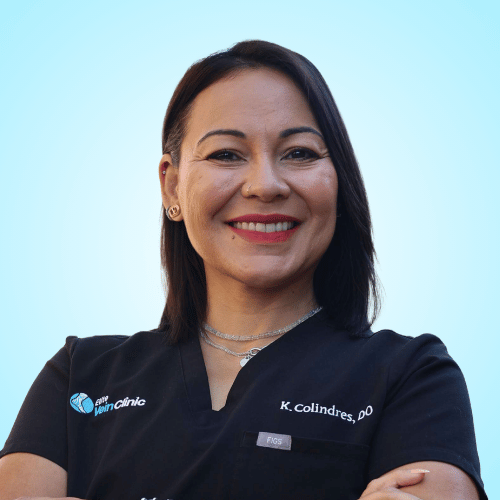
Board-Certified Internal Medicine
10+ Years of Clinical Experience
Locations served:
Avondale
Chandler
Gilbert
Mesa
Peoria
Phoenix
Scottsdale
Tempe
University of Miami Training
Minimally invasive vein care
Locations served:
Surprise
Ahwatukee Foothills
Cave Creek
Vein care you can trust
Phoenix Valley locations
Schedule a vein evaluation at a convenient Phoenix Valley location. Our team will help coordinate your consultation based on your treatment needs and preferred clinic.
COMMON QUESTIONS ABOUT SCLEROTHERAPY
English English English  Spanish English English English Spanish